2027 Mercedes-Benz GLB: A Compact Luxury SUV That Grows Up Electrically
Mercedes-Benz’s smallest three-row SUV just got a major overhaul. The 2027 Mercedes-Benz GLB-Class returns with more technology, more space, and, for the first time, a fully electric lineup. It’s the end of the road for the EQB nameplate — and technically, the start of something better. The new GLB brings fresh performance options, big screens, and a modern attitude that might just make it one of the most versatile compact SUVs in the luxury segment.
2027 Mercedes-Benz GLB EV (17)
2027 Mercedes-Benz GLB EV (16)
2027 Mercedes-Benz GLB EV (15)
2027 Mercedes-Benz GLB EV (14)
2027 Mercedes-Benz GLB EV (13)
2027 Mercedes-Benz GLB EV (12)
2027 Mercedes-Benz GLB EV (11)
2027 Mercedes-Benz GLB EV (10)
2027 Mercedes-Benz GLB EV (9)
2027 Mercedes-Benz GLB EV (8)
2027 Mercedes-Benz GLB EV (7)
2027 Mercedes-Benz GLB EV (6)
2027 Mercedes-Benz GLB EV (5)
2027 Mercedes-Benz GLB EV (4)
2027 Mercedes-Benz GLB EV (3)
2027 Mercedes-Benz GLB EV (2)
2027 Mercedes-Benz GLB EV (1)
Powertrain and Performance
The first wave of GLB models will be electric only, offered as the GLB250+ and GLB350. The base, rear-wheel-drive GLB250+ isn’t shy about its output — 268 horsepower and 247 lb-ft of torque, good for a modest 0–60 mph time of 7.3 seconds, according to Mercedes. Step up to the dual-motor GLB350, and you get 349 hp and a hearty 380 lb-ft, cutting that sprint down to 5.4 seconds. That’s enough to keep pace with rivals like the BMW iX1 and Audi Q4 e-tron.
Both models share an 85 kWh nickel-manganese-cobalt battery, with the GLB250+ expected to travel up to 333 miles per charge by EPA standards. The GLB350’s extra punch slightly reduces that figure to around 325 miles, which isn’t bad considering the added traction and performance. Charging speed is another highlight — up to 320 kW via DC fast charging, which can top up most of the battery in under half an hour, or 9.6 kW on standard AC ports for overnight garage charging.
For buyers not ready to commit to pure EV life, a hybrid version will join the lineup later. That model borrows its setup from the CLA220 Hybrid — a 1.5-liter Miller-cycle four-cylinder, paired with a 27-hp electric motor and a compact 1.3 kWh battery. The system’s combined 188 horsepower won’t break records, but it’ll provide pure-electric driving for short trips (at speeds up to 60 mph), ideal for city commutes without range anxiety.
2027 Mercedes-Benz GLB EV
2027 Mercedes-Benz GLB EV
Design and Dimensions
The GLB has always leaned into its small-yet-practical boxy shape, and Mercedes wisely didn’t mess with that formula. The new model is 3.9 inches longer, 1.1 inches wider, and slightly shorter, with a 2.4-inch stretch in wheelbase. Those tweaks bring real benefits — there’s a substantial 2.7-inch gain in second-row legroom, and even access to the optional third row has improved, thanks to larger rear door openings and a wider seat slide range.
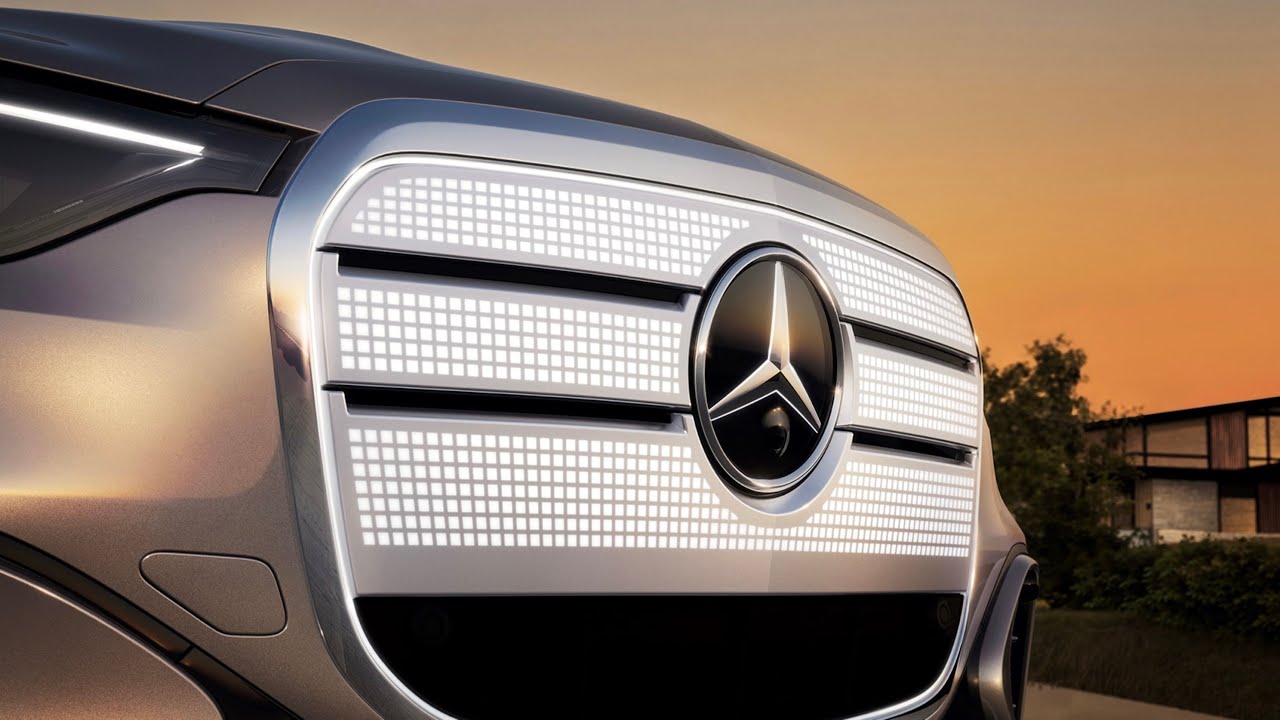
Visually, it looks more confident. The new front fascia adopts the single light-bar treatment seen on the new CLA-Class, while the rear end gains a striking LED strip spanning the width. The D-pillars are chunkier and more upright now, giving the GLB a squarer SUV stance. It’s not quite the “Baby G-Class” enthusiasts hoped for — but it has presence, especially in person.
Cabin and Tech
Inside, the 2027 GLB feels properly next generation. The dashboard is dominated by Mercedes’ optional Superscreen setup, which combines a 10.3-inch driver display, a 14-inch center touchscreen, and another 14-inch screen for the front passenger. Together, they create a fully digital cockpit that looks futuristic without feeling overwhelming (though, admittedly, it’s a lot of screen real estate for a family SUV).
Mercedes is keeping some physical controls — a welcome choice. The steering wheel still gets tactile rockers and rollers for volume and adaptive cruise, a small but appreciated nod to usability. The latest MBUX system has also matured: it’s now backed by multiple AI voice agents that can respond conversationally, adapt to driver habits, and even handle natural queries like “find a coffee shop on my route.” Navigation now runs on Google Maps, giving it far more real-world accuracy than previous versions.
Nearly all systems are over-the-air updatable, meaning the GLB’s tech will continue to evolve after purchase. For a compact SUV, that’s a big leap toward long-term digital relevance — something few rivals offer this robustly.
2027 Mercedes-Benz GLB EV
2027 Mercedes-Benz GLB EV
Ride and Practicality
One of the GLB’s enduring strengths is its packaging. The cabin feels more open, partly because of the taller glasshouse and new door sculpting, which improves outward visibility. The seven-seat option remains, though the third row is still best reserved for kids or short city hops. With the second row moved back, comfort for passengers improves noticeably, and the SUV maintains respectable cargo space even in the five-seat configuration.
On the move, the electric GLB should feel smooth and quiet. The platform’s two-speed transmission on the rear axle hints at Mercedes’ focus on refinement and efficiency at higher speeds, something that could set it apart from more budget-friendly EV rivals.
Pricing and Launch
Mercedeshasn’t confirmed pricing yet, but early estimates point to a starting price near $50,000 for the GLB250+, with the GLB350 sitting a few thousand higher. That places it neatly between the CLA-Class EV and larger EQE SUV, giving buyers a middle ground in both price and practicality.
The electric versions are expected to hit showrooms in late 2026, with the hybrid model following in early 2027. Given its mix of practicality, digital luxury, and brand cachet, the 2027 GLB could become Mercedes’ most approachable entry into premium electrification — a sweet spot between family needs and futuristic tech.
In short, Mercedes didn’t reinvent the wheel here — it just electrified it, added more screens than most living rooms, and made sure the GLB remains every bit as useful as before.