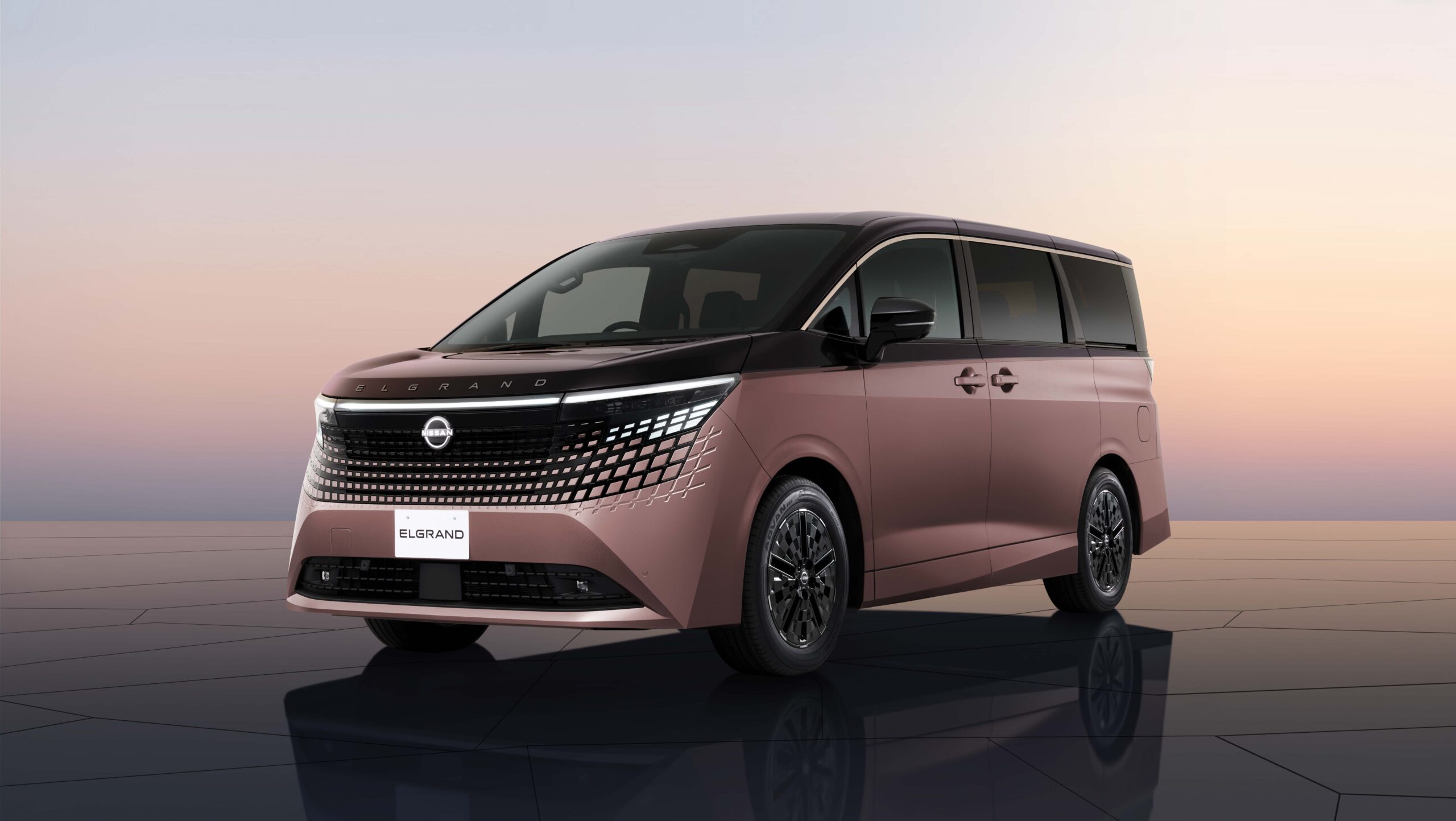
Nissan just unveiled the fourth-generation Elgrand ahead of its summer 2026 launch, and the Japanese luxury minivan continues its tradition of offering features and refinement that make American minivan buyers jealous. With bold new styling heavily influenced by the 2023 Hyper Tourer concept, upgraded e-4ORCE all-wheel drive, and an interior draped in two-tone leather with zero-gravity captain’s chairs, the Elgrand represents what premium people-movers can be when manufacturers take them seriously.
Unfortunately, like the three generations before it, the Elgrand won’t reach American shores, remaining forbidden fruit in a luxury minivan segment that barely exists in the U.S.
Nissan Elgrand
Exterior: Hyper Tourer Influence Meets Production Reality
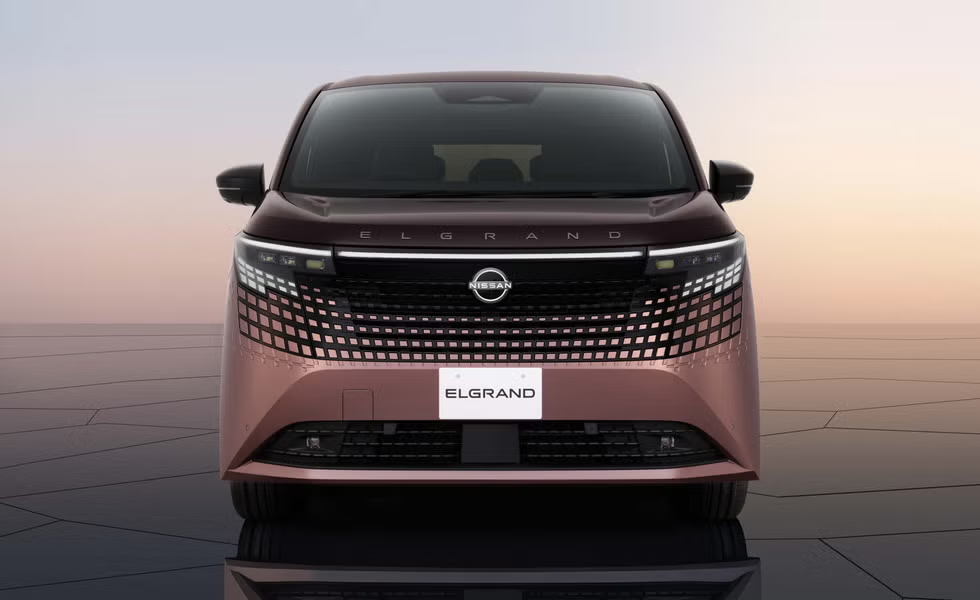
The redesigned Elgrand draws considerable inspiration from Nissan’s Hyper Tourer concept revealed in 2023. That concept showcased futuristic minivan design with emphasis on technology integration and premium presence—qualities that partially survived the transition to production.
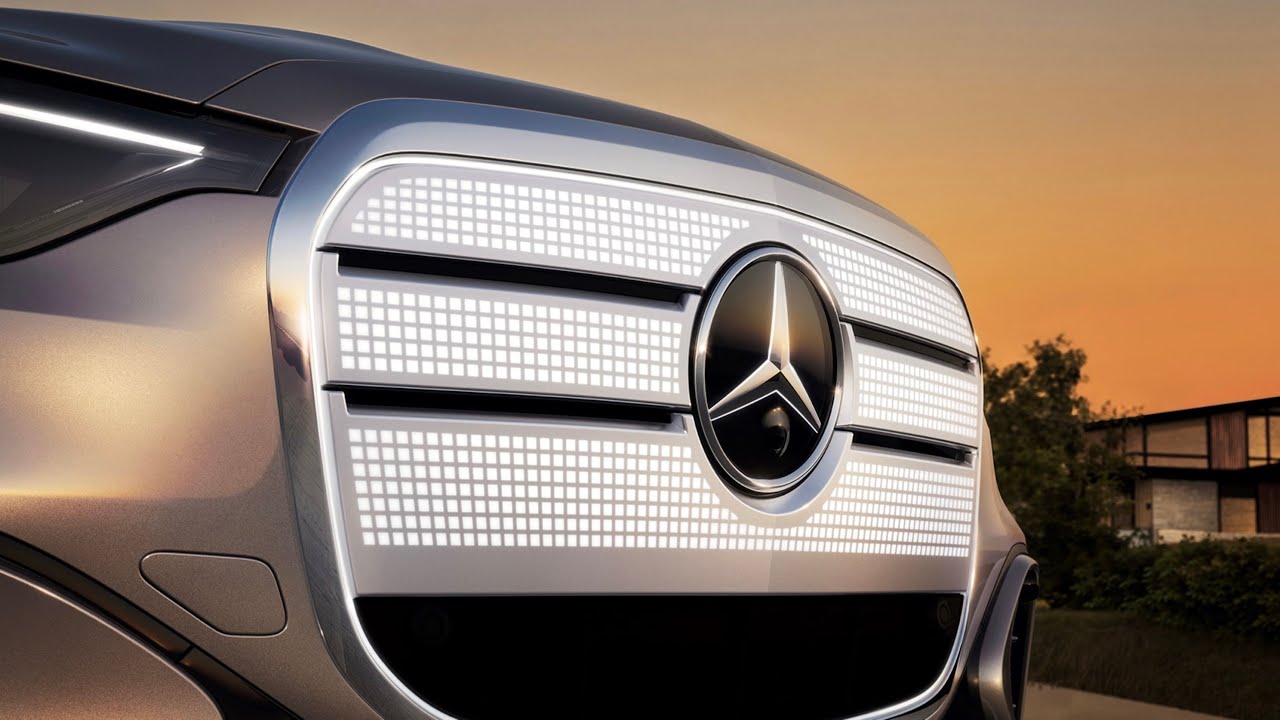
The most striking element is the front fascia, where more than two dozen LEDs integrate into a pixel-style design occupying most of the front end. This isn’t subtle—it’s aggressive LED theatre that makes the Elgrand instantly recognizable from blocks away.
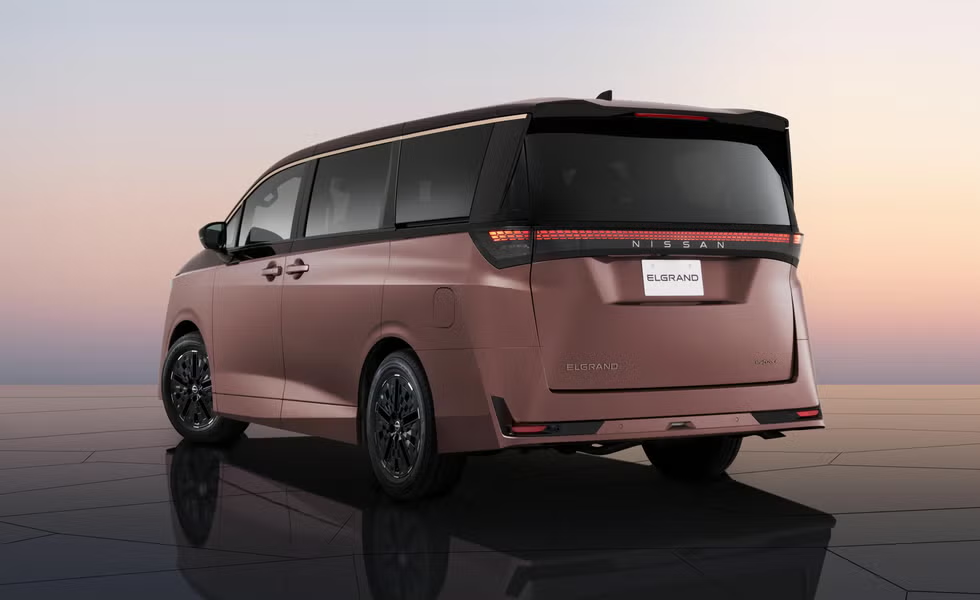
The rear treatment echoes this approach with an upright tailgate bisected by a horizontal row of LED pixels forming the taillights. Together, front and rear lighting create visual bookends that give the Elgrand distinctive identity in a segment where many minivans look interchangeable.
Whether this pixel LED approach ages well or looks dated in five years remains to be seen. LED lighting design evolves rapidly, and today’s cutting-edge treatment often becomes tomorrow’s design cliché. But for launch, it certainly differentiates the Elgrand from competitors.
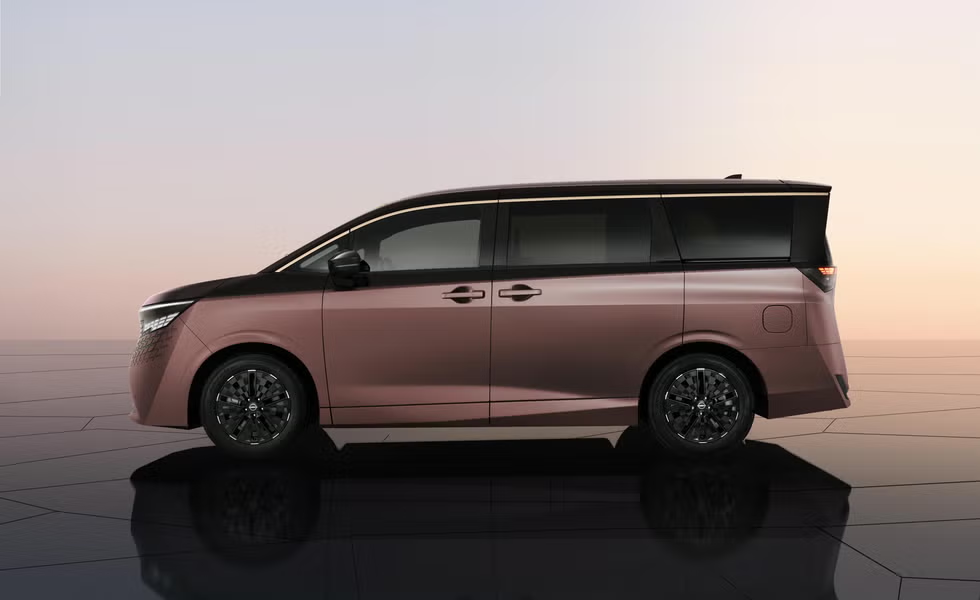
The overall proportions appear conventionally minivan—tall roofline, short overhangs, sliding doors, upright stance. Nissan hasn’t released full dimensions, but expect similar footprint to outgoing Elgrand with possible wheelbase stretch for improved third-row space.
Nissan Elgrand
Interior: Premium Materials and Zero-Gravity Seating
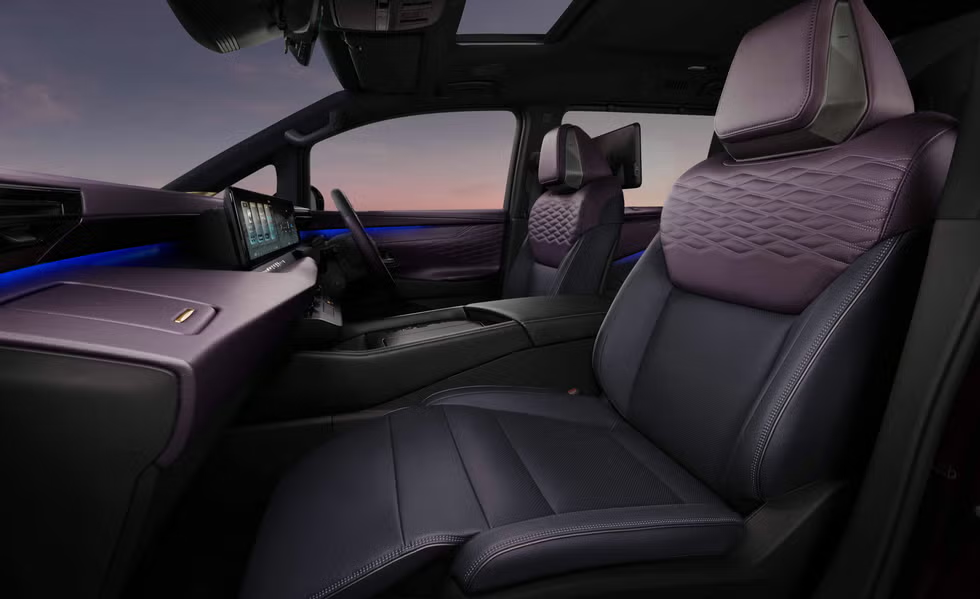
Nissan positions the Elgrand as their premium minivan, and the cabin reflects that positioning. Dual-tone leather covers surfaces throughout, creating visual interest beyond monochromatic treatment. The specific color combinations haven’t been detailed, but expect combinations appealing to Japanese market preferences—possibly cream/black or tan/brown pairings.
The second row features zero-gravity captain’s chairs—Nissan’s term for seats designed using NASA research on neutral body posture. These seats supposedly reduce fatigue during long journeys by supporting the body in positions that minimize muscle strain. Whether they actually deliver meaningful comfort improvements over well-designed conventional seats is subjective, but the marketing positioning communicates premium intent.
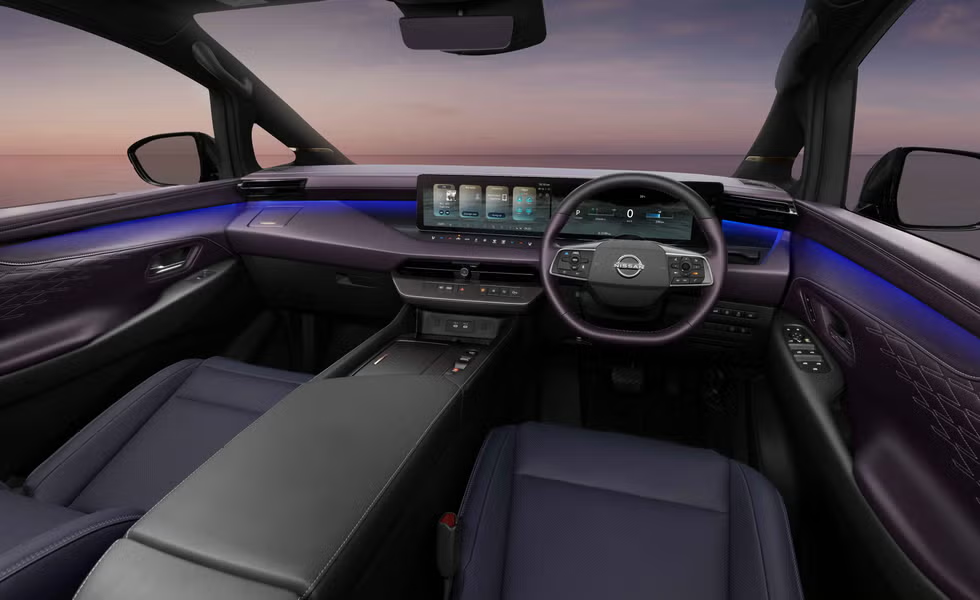
Physical buttons remain prevalent rather than forcing everything into touchscreen menus—a decision that improves usability and suggests Nissan hasn’t fully embraced screen-everything design philosophy plaguing many modern interiors.
Dual 14.3-inch screens sit on the dashboard—likely one for instrument cluster and one for infotainment. The center console received redesign treatment, though specifics about storage, USB ports, or other functionality weren’t disclosed.
An optional 22-speaker Bose audio system includes speakers embedded in front headrests. Headrest speakers provide improved audio localization and can deliver sound without disturbing other passengers at high volumes—useful for minivans where occupants might want different entertainment simultaneously.
Nissan Elgrand
Nissan Elgrand
e-4ORCE All-Wheel Drive: Updated Electric System
The Elgrand uses Nissan’s updated e-4ORCE four-wheel drive system—their electric AWD platform featuring independent front and rear motors. Nissan hasn’t released technical specifications (power output, torque figures, battery capacity, range), but they describe the system utilizing rear motor torque to minimize pitching during acceleration and deceleration.
This pitch control improves passenger comfort by reducing the forward/backward rocking sensation that occurs during speed changes. In minivans carrying multiple passengers who might be reading, using devices, or susceptible to motion sickness, minimizing pitch makes the cabin more comfortable.
Whether the Elgrand is purely electric or plug-in hybrid remains unclear from the announcement. The e-4ORCE branding appears on various Nissan electrified vehicles, but can refer to different powertrain architectures. Full EV seems likely given Nissan’s electrification push, but PHEV configuration would provide flexibility for markets with developing charging infrastructure.
The lack of technical details is frustrating but typical for initial reveals. Expect full specifications closer to the actual launch.
Nissan Elgrand
What Americans Are Missing
The Elgrand won’t come to the United States, continuing Nissan’s pattern of keeping their premium minivans Japan-exclusive. American buyers get practical minivans (no longer even the Quest after its discontinuation), while Japanese customers enjoy luxury versions with premium materials, advanced technology, and refined execution.
This reflects different market priorities. In Japan, minivans remain popular among affluent families and serve as chauffeur-driven executive transport. The segment commands premium pricing and manufacturers invest accordingly in features and finishes.
In America, minivans primarily serve practical family transportation needs, with buyers prioritizing value, space, and versatility over luxury. The Honda Odyssey and Chrysler Pacifica offer some upscale features, but nothing approaching the Elgrand’s premium positioning and pricing.
Toyota’s Alphard and Vellfire (also Japan-exclusive) similarly offer luxury minivan experiences unavailable to American buyers. These vehicles feature executive rear seating, premium audio systems, ambient lighting, and refinement levels that rival luxury sedans.
Nissan Elgrand
The Luxury Minivan Segment That Could Exist
If manufacturers brought vehicles like the Elgrand, Alphard, and Vellfire to America, would buyers embrace them? Probably not in significant numbers, which explains why they don’t bother.
Americans who want luxury and space typically buy three-row SUVs—vehicles like the Cadillac Escalade, Lincoln Navigator, Mercedes GLS, or BMW X7. These offer similar interior volume with more prestigious bodystyles and higher resale values.
Minivans carry stigma in American culture that prevents premium positioning success. Even excellent minivans like the Honda Odyssey Elite or Chrysler Pacifica Pinnacle struggle to command luxury-level pricing because buyers resist paying $60,000+ for sliding doors regardless of interior quality.
Japan lacks this stigma. Minivans represent practical sophistication rather than suburban compromise, enabling manufacturers to build truly luxurious versions confident that buyers exist.
Summer 2026 Launch Timeline
The Elgrand’s summer 2026 launch gives Nissan roughly 8-10 months from now for final development, production preparation, and dealer training. That timeline suggests the vehicle is nearly production-ready, with the reveal coming well after engineering freeze.
Pricing hasn’t been announced, but expect significant premium over mainstream minivans. Current-generation Elgrand pricing in Japan starts around ¥4.8 million ($32,000 USD equivalent), with top trims exceeding ¥8 million ($53,000+). The new generation with upgraded technology and materials could push starting prices higher while top versions approach ¥10 million.
Fourth-Generation Evolution
The Elgrand launched in 1997, making the nameplate 28 years old by 2026. That history provides context for this redesign:
First generation (1997-2002): Established Elgrand as Nissan’s premium minivan competing against Toyota Alphard
Second generation (2002-2010): Refined the formula with improved materials and technology
Third generation (2010-2026): Long-lived generation that maintained competitiveness but needed updating
The fourth generation aims to reestablish technological and luxury leadership in a segment where Toyota’s Alphard/Vellfire have recently dominated Japanese sales charts.