TVR Is Actually Alive Again, Somehow, and Yes, the Griffith Might Finally Happen
In the grand tradition of British engineering miracles—by which we mean “repeatedly doing the same thing and hoping this one doesn’t catch fire”—TVR has once again clawed its way back from the abyss. Or the swamp. Or the smoldering crater. Take your pick; they’ve been through all of them.
This time, the cavalry arrives in the form of Charge Holdings, a group with enough financial juice to potentially push the long-promised, long-delayed, long-suffering Griffith into actual, real-life production. Yes, that Griffith. The one first announced when people still thought fidget spinners were the future.
And yet here we are, in the year of our automotive overlords, and TVR is—quite unbelievably—back again.
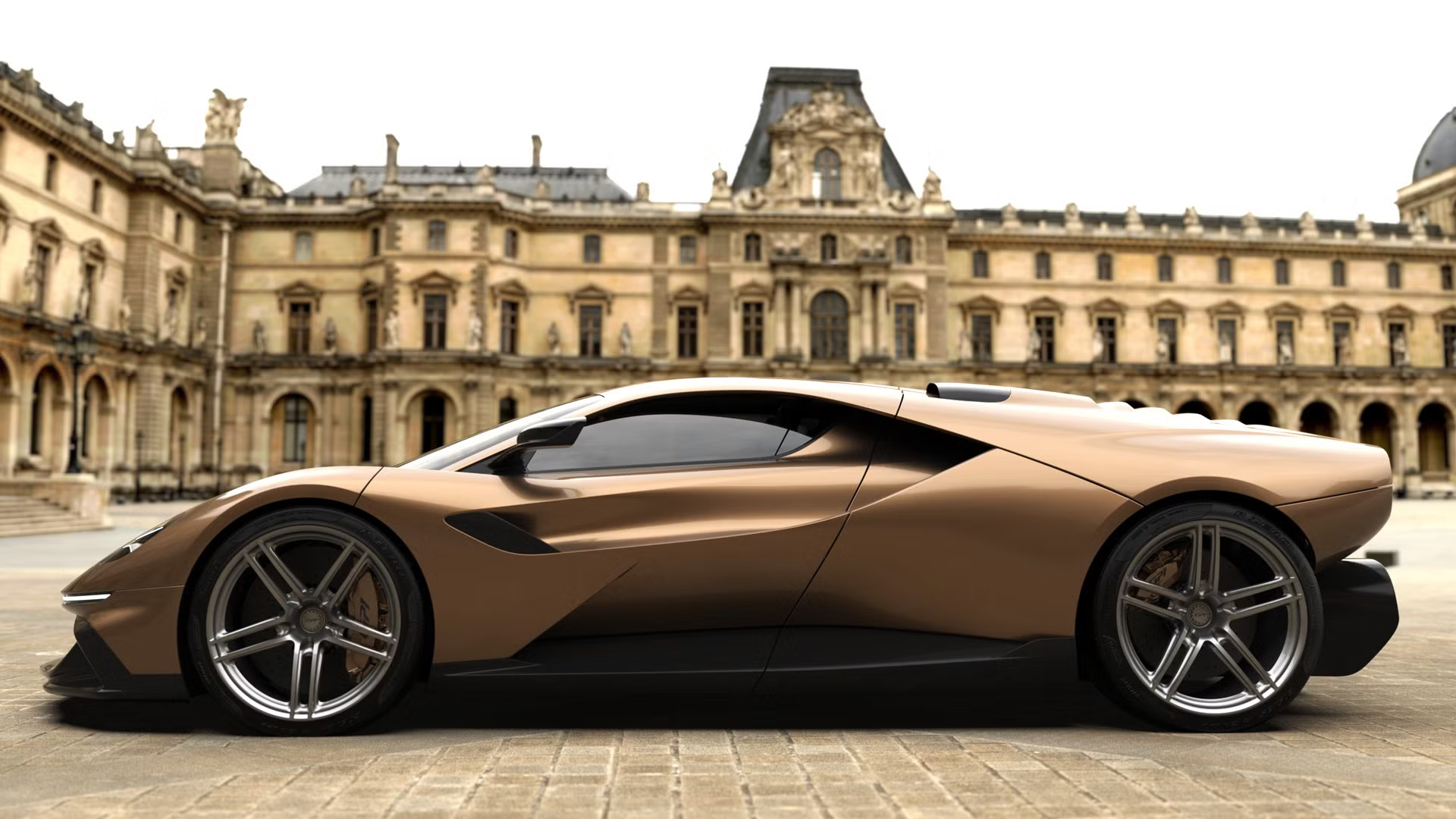
TVR Griffith Revival
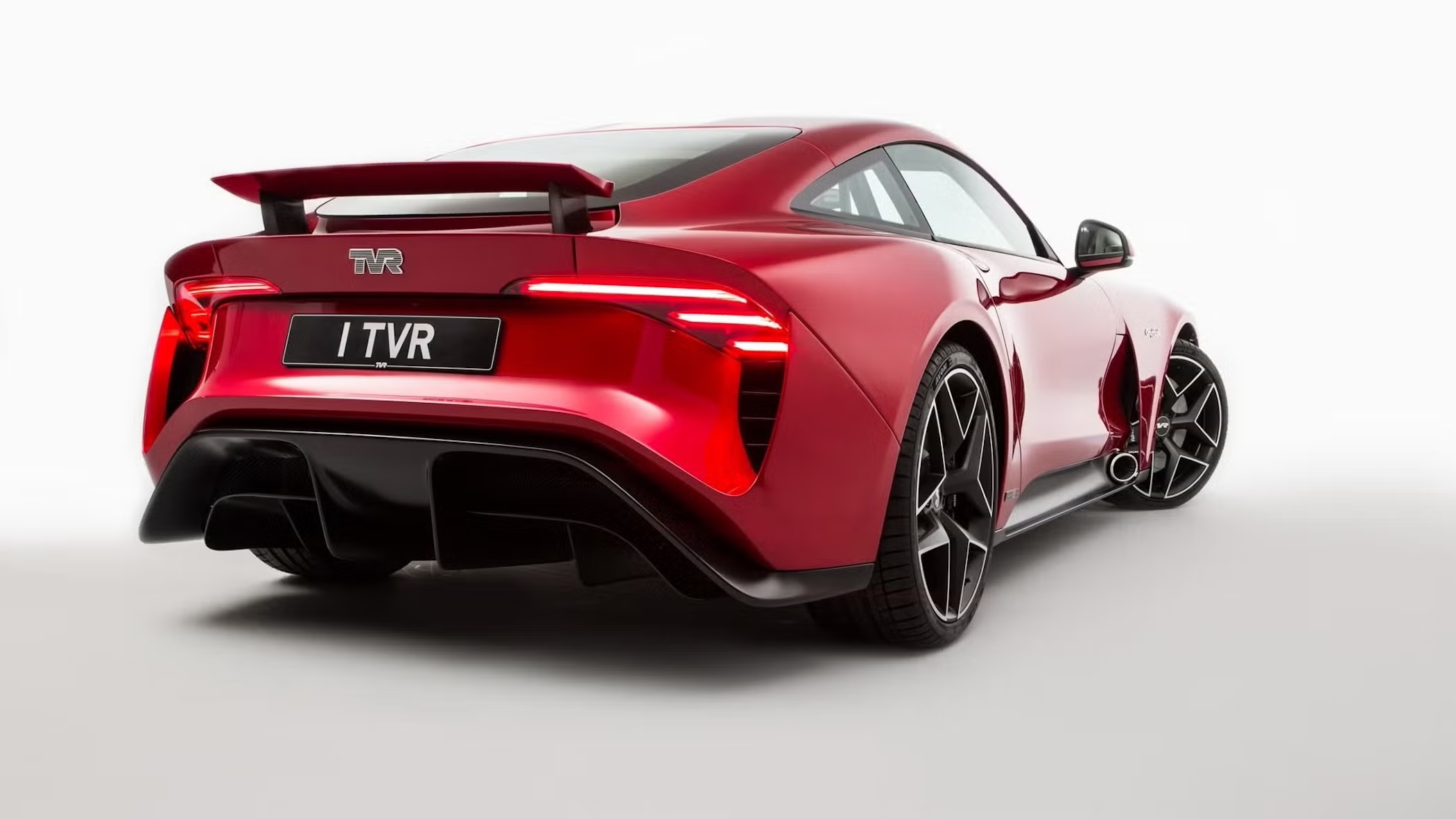
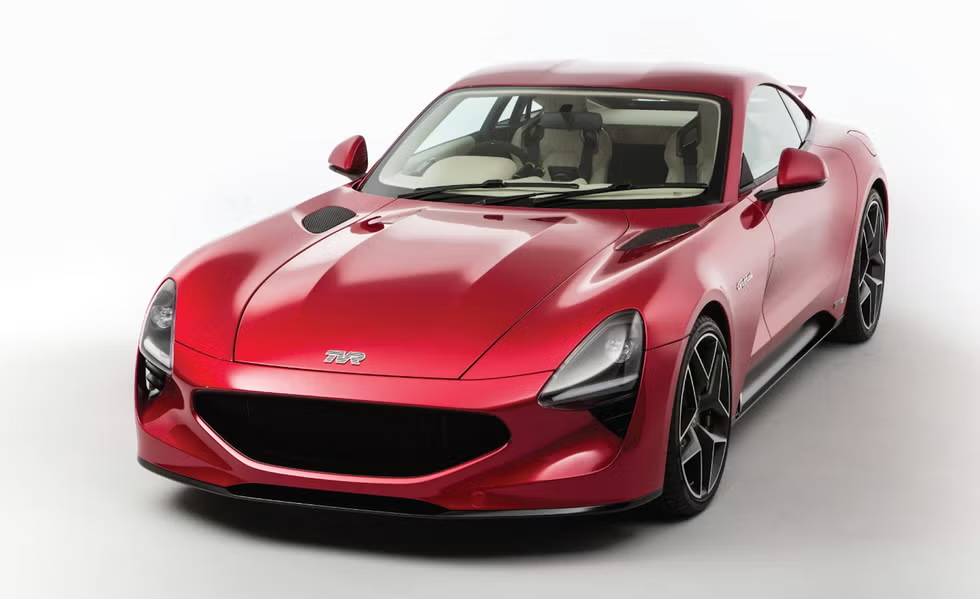
The Griffith Rises (Again)
The Griffith nameplate is one of TVR’s most cherished relics, dating back to the 1960s when the company’s business model mostly relied on strapping large engines to small fiberglass bodies and hoping the driver had updated their will.
The modern reboot, teased since 2017, was originally destined for a Ford-sourced 5.0-liter V-8 making roughly 500 horsepower—because what could be more TVR than pairing big power with an aerodynamic philosophy best described as “wing it”?
With Charge Holdings now holding the reins, that original plan may once again be on the table. Their history with Ford doesn’t hurt, given that they previously ran Charge Cars, known for electrifying classic Mustangs under official Ford blessing.
(Charge Cars itself suffered its own tragicomic series of calamities not unlike a certain kingdom in Monty Python and the Holy Grail. But like any good British automotive outfit, it has apparently resurrected itself, dusted off the soot, and declared, “Right then, where were we?”)
TVR Griffith Revival
A Tradition of Glorious Chaos
TVR’s legacy is, to put it politely, eccentric. To put it accurately, it’s the sort of place where an engineer might propose, “What if the exhaust exits sideways through the fender at knee height?” and everyone else just shrugs and says, “Sure, why not.”
From the Sagaris, which looked like it was designed by someone locked in a room with only energy drinks and trauma for company, to the Speed 12, a V12 monster that famously broke the company’s dyno because of course it did—TVR has always embraced the philosophy that Too Sensible is the enemy.
Which is probably why fans simply refuse to let the brand die. Every few years someone digs it up, shouts “IT’S NOT DEAD YET!”, and off TVR goes limping bravely back into the automotive battlefield.
TVR Griffith Revival
Electric Shock Therapy (Possibly Literally)
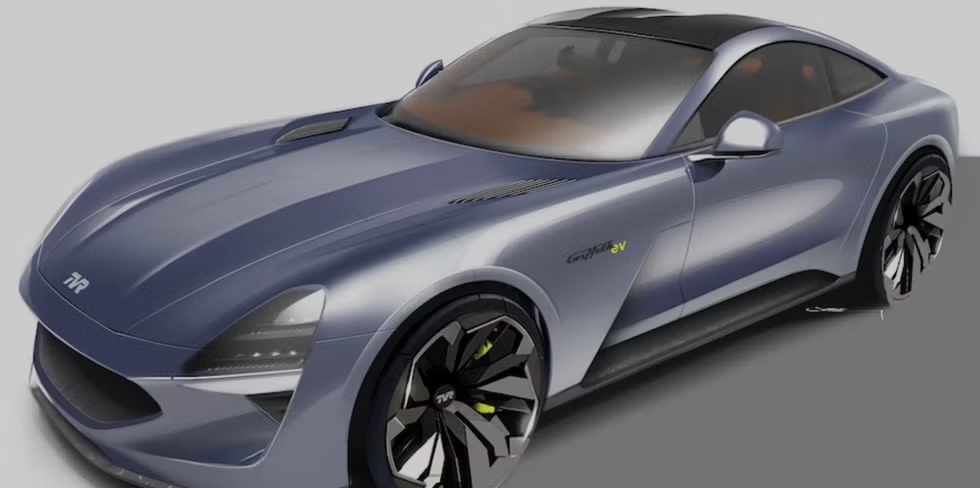
Charge Holdings says electrification will be part of TVR’s future—though what kind of electrification remains open to interpretation. Maybe a battery pack, maybe a hybrid system, or maybe a driver’s seat that occasionally zaps you just to make sure you’re paying attention.
Honestly? Any of these would be perfectly on-brand.
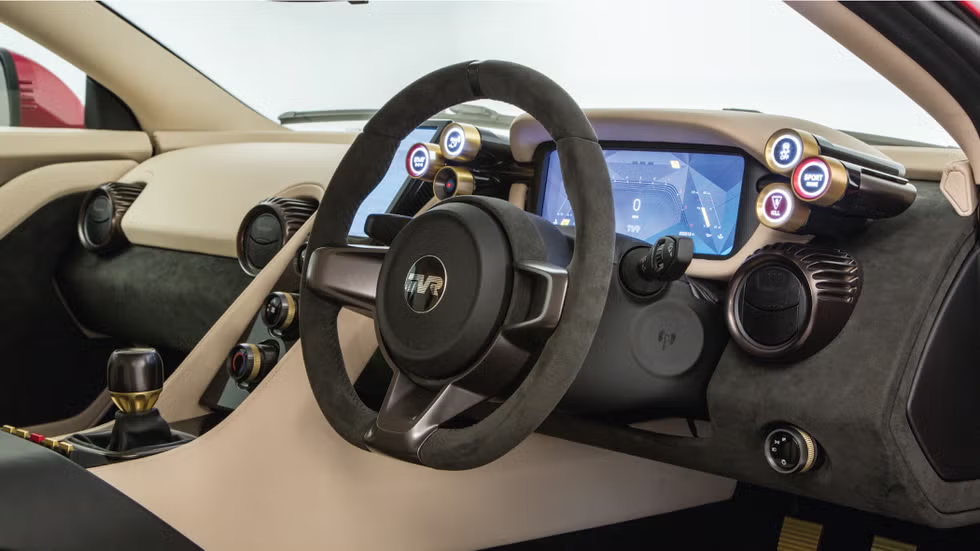
What matters is that the new owners seem genuinely determined to drag TVR into the modern era—preferably without setting anything important on fire this time.
And Yet… It Lives
So yes, TVR survives. Again. Still. Miraculously. The Griffith seems poised for its long-awaited debut, and rumors of an electric model shimmer on the horizon like a mirage of hope over a field of British automotive dreams and broken crankshafts.
Will it all actually happen this time? Who knows. But TVR is breathing, wobbling, and baring its teeth once more—and for now, that’s enough for fans to cheer, celebrate, and cautiously check for nearby fire extinguishers.