Alpine’s American Ambition Remains on Pause — for Now The French sports-car maker still wants a U.S. presence, but tariffs and brand realities make that a long shot in the near term.
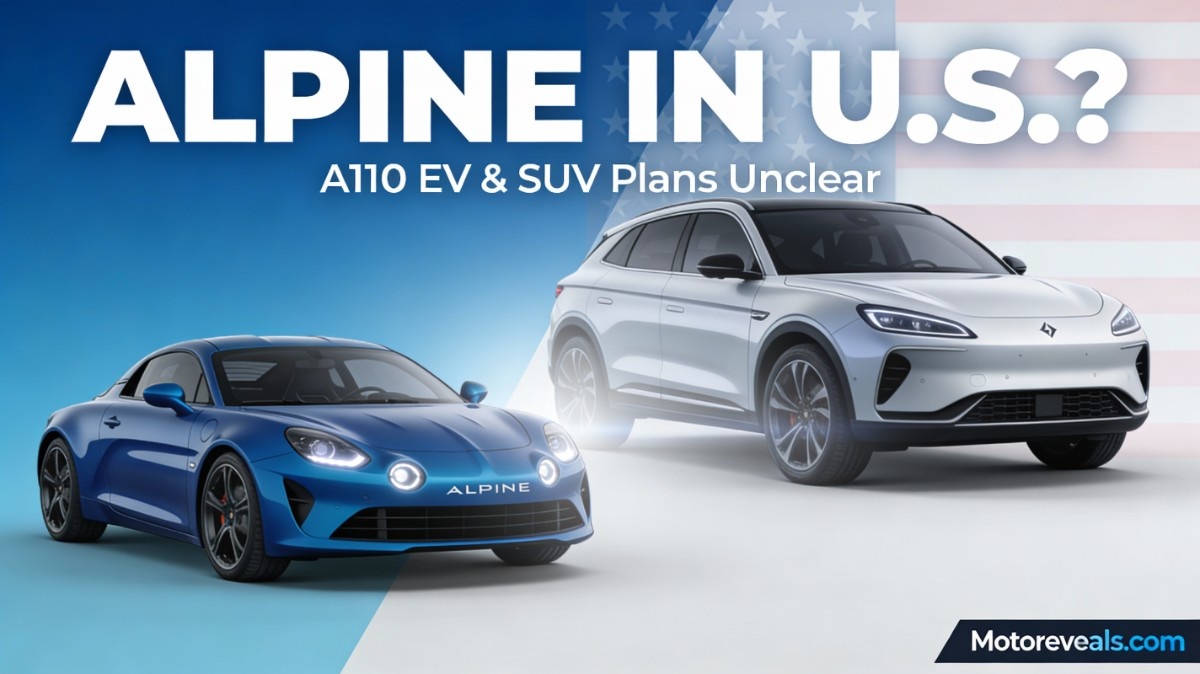
Alpine, the storied French performance marque known for its lightweight A110 coupe, is once again talking about entering the U.S. market—but talk remains easier than execution. In a recent interview reported by Auto Express, CEO Philippe Krief reiterated that Alpine “needs to go to the U.S.,” yet stopped short of setting any timeline. His caution reflects both the brand’s ambition and the very real barriers any small European automaker faces when confronting America’s high-cost import environment.
Ever since Renault revived the Alpine nameplate in 2017, executives have hinted at a transatlantic expansion. Those intentions took firmer shape in 2023 when the company targeted a 2027 debut, backed by a new generation of electric products. But that plan hit turbulence earlier this year when newly imposed import tariffs on European vehicles made an American rollout far less economically appealing.
Alpine Still Weighing U.S. Entry with A110 EV
What Would Alpine Bring
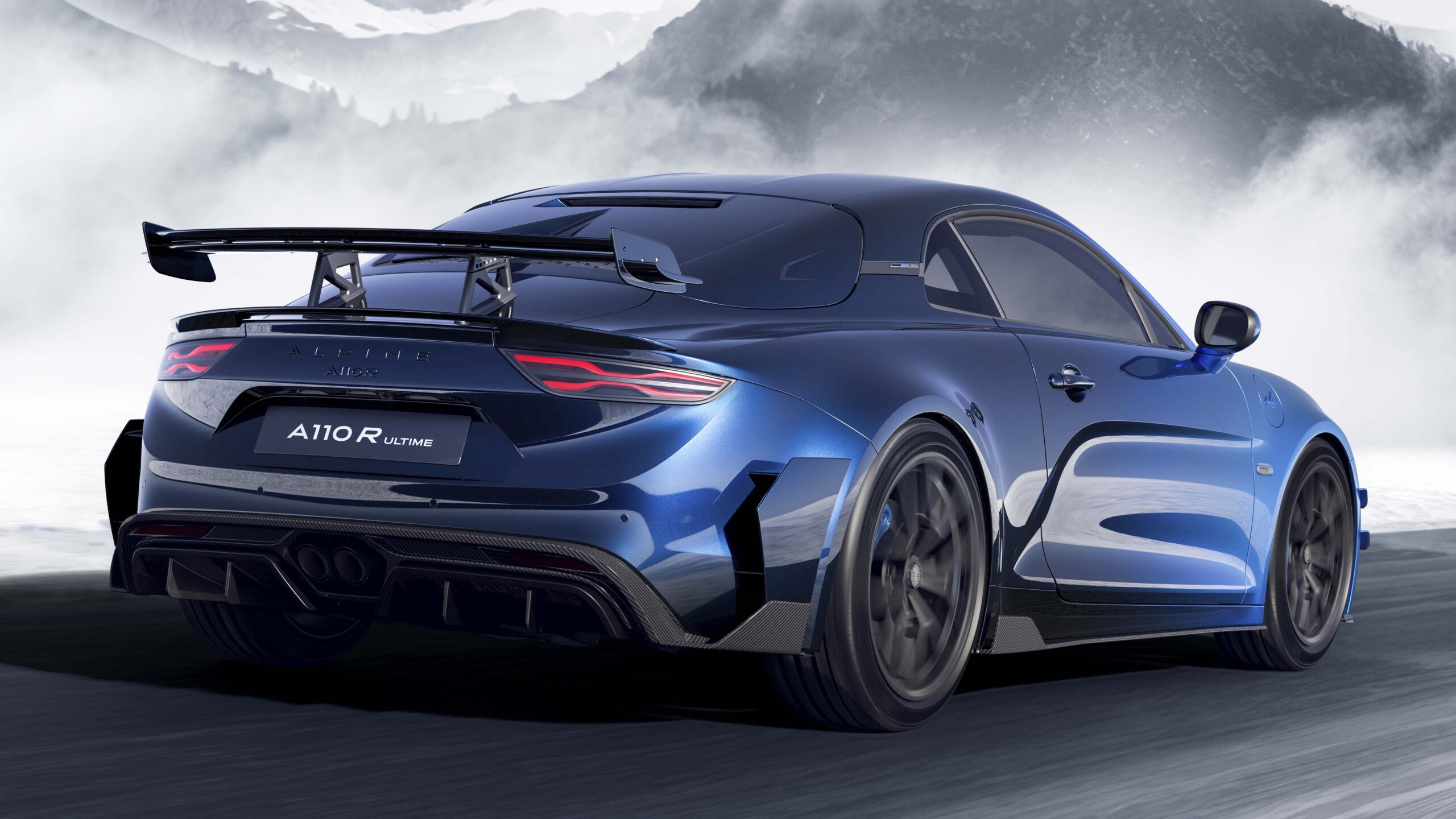
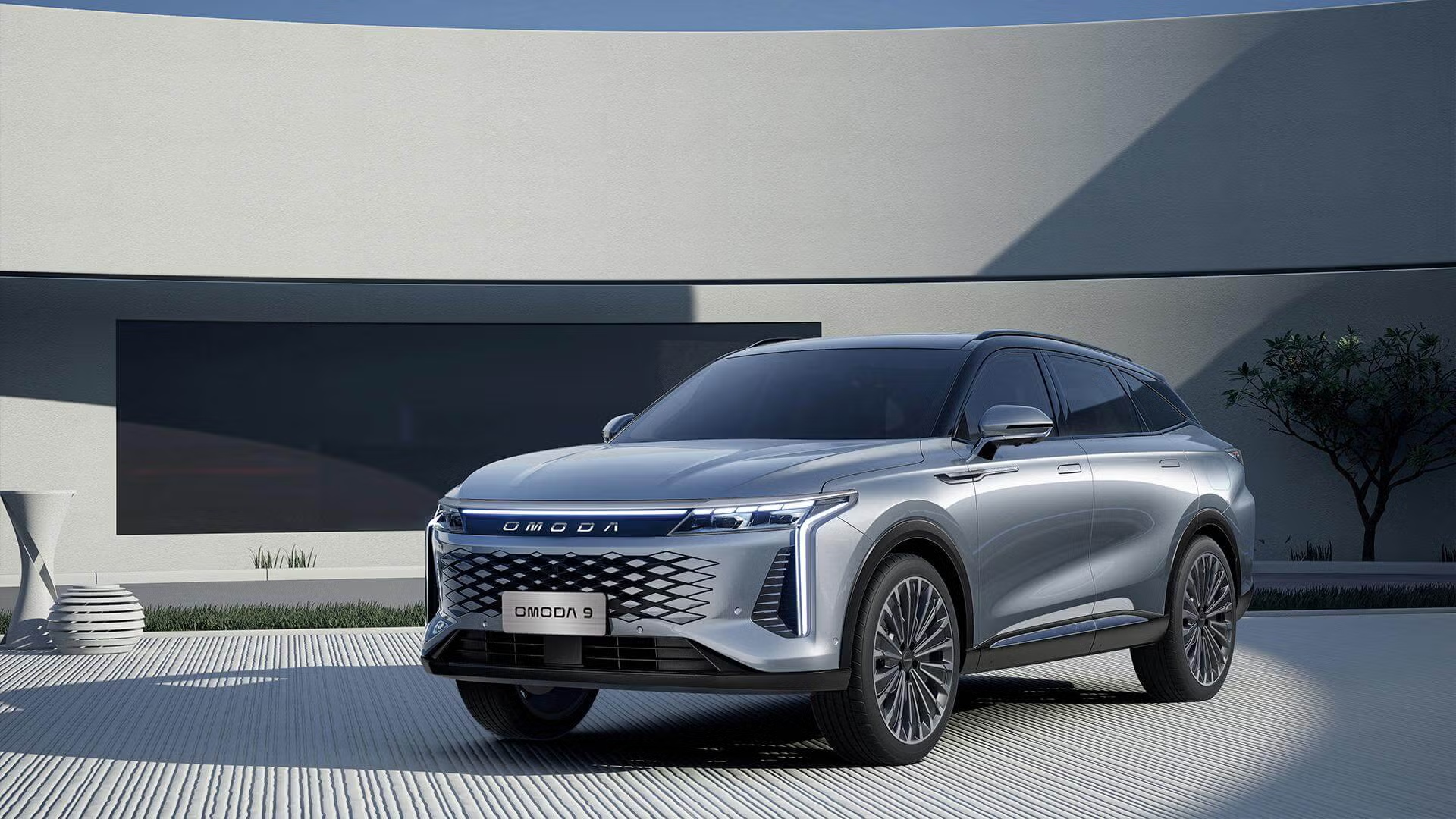
Krief confirmed that Alpine’s U.S. entry—if and when it happens—would center on the next-generation A110, a fully electric reinterpretation of the brand’s mid-engine sports car. It would arrive alongside a larger model aimed directly at premium electric SUVs like the Porsche Cayenne EV. “We need to go to the U.S. with A110 because this is the heart of Alpine,” Krief said, before acknowledging a larger issue: a two-seat sports car alone can’t sustain a dealer network. For that reason, the upcoming SUV is viewed internally as essential, even if it lives outside Alpine’s traditional purist DNA.
At present, Alpine’s biggest model is the A390, a compact electric crossover roughly sized between the Porsche Macan EV and the Lotus Eletre. While that formula might seem ideal for an EV-hungry market like America, Alpine’s pricing and positioning skew higher than volume-focused rivals. The brand’s appeal rests more on design purity and lightweight engineering than on technology or range bragging rights—traits that might resonate more with enthusiasts than mainstream buyers.
Alpine Still Weighing U.S. Entry with A110 EV
Fundamental Obstacles
The larger question isn’t whether Alpine can build the right products but whether it can justify the infrastructure to support them. Exporting fully built vehicles exposes the company to high tariffs, crash certification costs, and dealership setup expenses that only make sense at meaningful scale. Alpine, still relatively small even within Europe, sells fewer than 10,000 cars annually.
Then there’s brand recognition. In the U.S., Alpine would arrive as an unknown luxury startup competing against established, well-networked brands like Porsche, Tesla, and Lucid. Its parent company, Renault, exited the American market decades ago, removing any residual brand familiarity. Establishing new dealers—or finding partners willing to take the risk—would be another uphill battle in a market that already has no shortage of choices.
The SUV strategy hints at Alpine’s awareness of these hurdles. Porsche followed a similar path two decades ago when the Cayenne gave it financial stability; Alpine’s executives are likely hoping a premium electric SUV could perform the same role for them. Yet even with that logic, timing and price will be critical. The Cayenne EV will already occupy a strong position when it arrives, and both Polestar and Maserati are expanding their high-end electric offerings in the same space.
Still a Question of “When,” Not “If”
For now, Alpine’s U.S. intentions remain aspirational. Krief offered no new schedule beyond acknowledging that the company continues to “study the opportunity.” The 2027 target is approaching fast, and regulatory, financial, and logistical obstacles don’t appear any closer to resolution.
In the end, the idea of Alpine returning to the United States is tantalizing for enthusiasts but still theoretical in business terms. Until tariffs ease, dealer partners are lined up, and the brand gains the capital to absorb an unpredictable launch, the possibility of seeing an A110—electric or otherwise—on American roads remains more hope than plan.