Honda Super-ONE Prototype: Compact EV That Fakes Engine Sounds to Make Driving “Fun”
Honda just unveiled the Super-ONE Prototype at the Japan Mobility Show 2025, and it’s their answer to a question electric car enthusiasts debate constantly: can EVs deliver genuine driving excitement, or do they need artificial enhancements to feel engaging?
Honda’s approach with the Super-ONE is unambiguous—they’re leaning hard into simulation. This compact electric vehicle features “Boost Mode” that mimics a 7-speed transmission complete with fake engine sounds and simulated shift feel. Whether that’s brilliant or misguided depends entirely on what you want from an electric car.
The Core Concept: “e: Dash BOOSTER”
Honda describes the Super-ONE’s development philosophy as “e: Dash BOOSTER,” which translates roughly to “we made a small EV that tries to feel exciting.” The name “Super-ONE” represents Honda’s aspiration to create something that “transcends conventional norms” while delivering “customer value unique only to Honda.”
That’s marketing language, but the actual product reveals Honda’s thinking: small EVs risk feeling appliance-like without emotional connection. Their solution? Engineer artificial sensory feedback that mimics what drivers expect from sporty combustion vehicles.
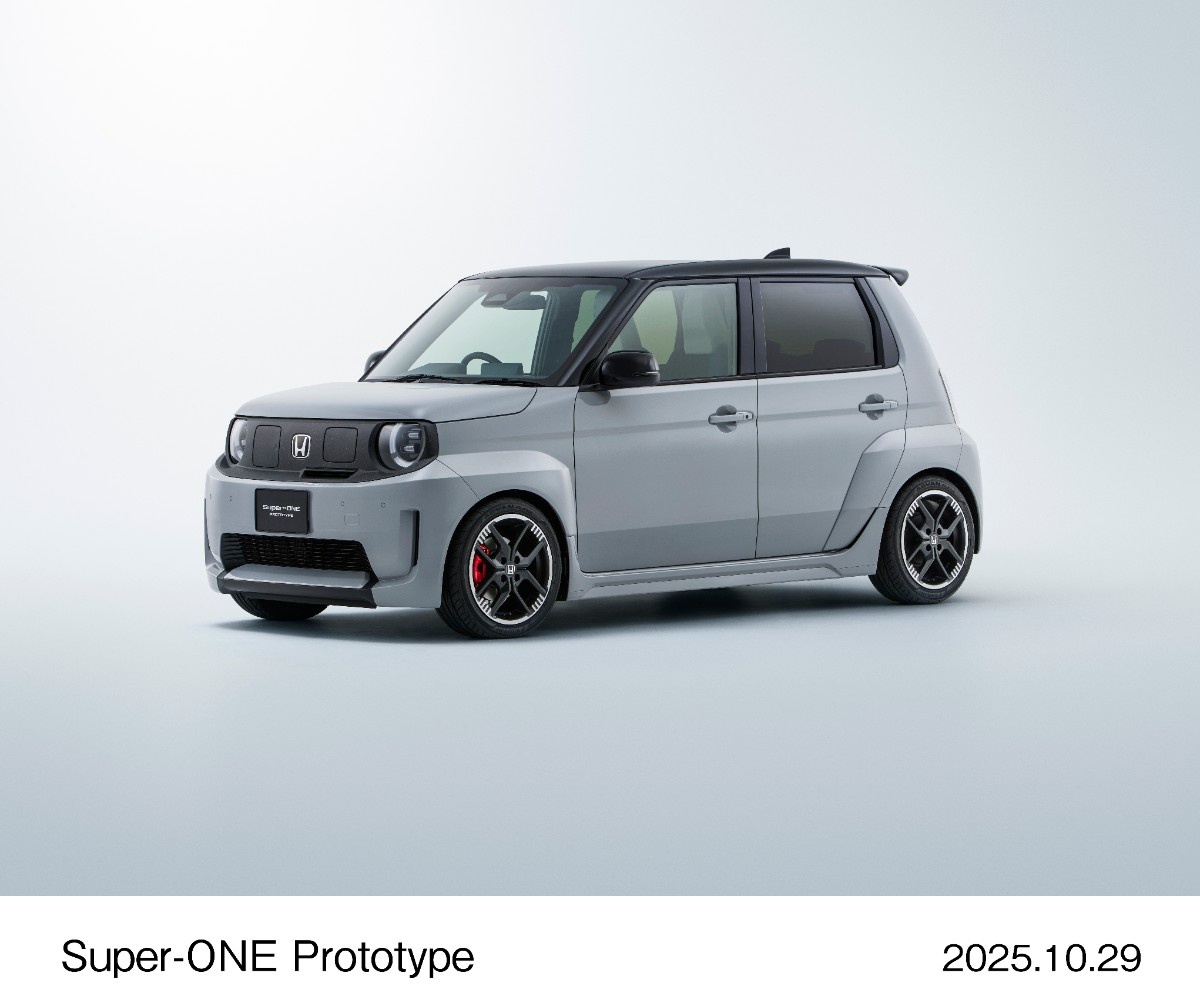
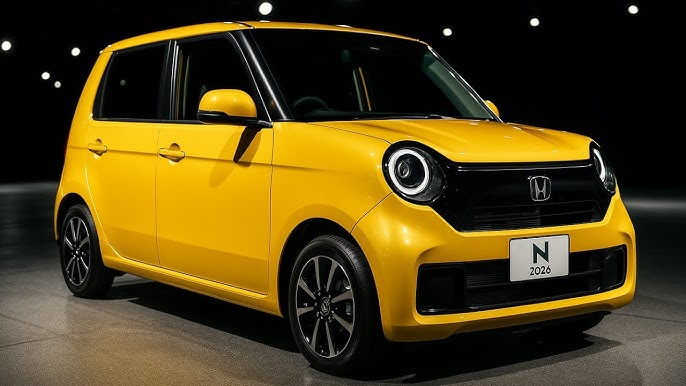
The platform derives from Honda’s N Series kei cars—Japan’s ultra-compact vehicle category with strict size and engine displacement restrictions. These cars are lightweight by necessity, and Honda leveraged that foundation for the Super-ONE, adding wider track width via prominently flared fender blisters to improve stability.
Honda Super-ONE
Boost Mode: The Controversial Feature
Here’s where things get interesting or annoying depending on your perspective. Boost Mode increases power output (Honda hasn’t specified actual horsepower figures) while simultaneously:
Activating a simulated 7-speed transmission that mimics traditional gear changes
Playing synthesized engine sounds through the Active Sound Control system
Adjusting throttle response to feel more aggressive
Changing the instrument cluster display to show “gears”
Modifying interior lighting colors
Honda positions this as “stimulating the driver’s senses” to create an “uplifting EV driving experience.” Critics will argue it’s fake, unnecessary, and fundamentally misses the point of electric vehicles.
The defense: some drivers genuinely prefer the sensory feedback of combustion engines—the sound, the vibration, the gear changes. If those elements enhance their enjoyment, why not provide them artificially? Cars already simulate plenty through electronic throttle bodies, synthesized exhaust notes, and digitally enhanced steering feel.
The counterargument: EVs offer different advantages—instant torque, silent operation, smooth acceleration. Trying to make them feel like combustion cars suggests Honda doesn’t trust their product’s inherent qualities. It’s like vegetarian “meat” that tries desperately to taste like beef instead of celebrating vegetables.
The Testing and Development Story
Honda tested the Super-ONE extensively across Japan, the UK, and various Asian countries on different road surfaces and climate conditions. In July 2025, a concept version (called Super EV Concept) ran the hill climb at Goodwood Festival of Speed, where it apparently showcased “powerful driving performance.”
Goodwood is famous for providing manufacturers a global stage to demonstrate new vehicles. Whether the Super-ONE genuinely impressed or just participated isn’t entirely clear from Honda’s announcement, but they emphasize it “showcased to the world the new possibilities” of Honda EVs.
Design: Form Follows Simulated Function
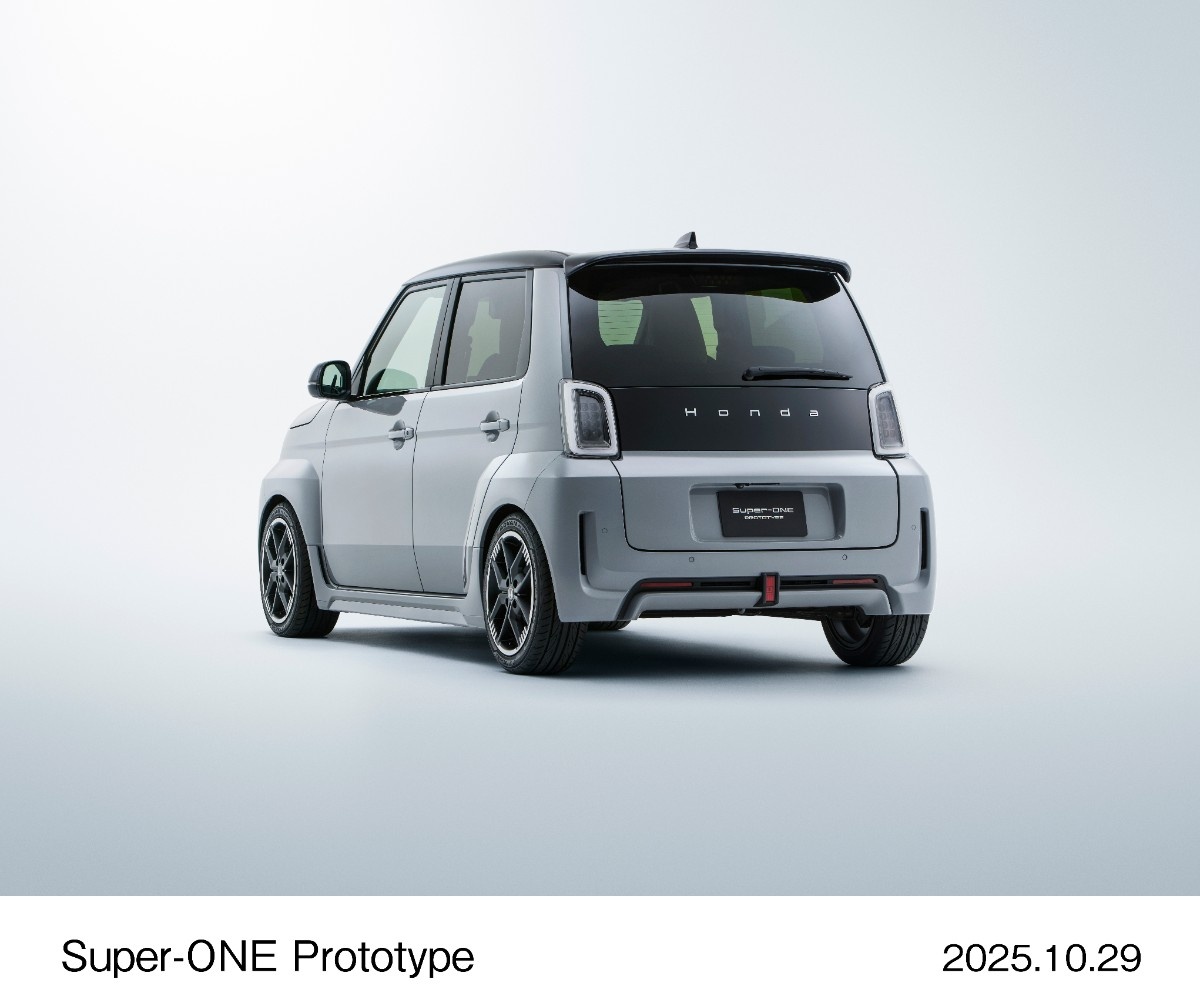
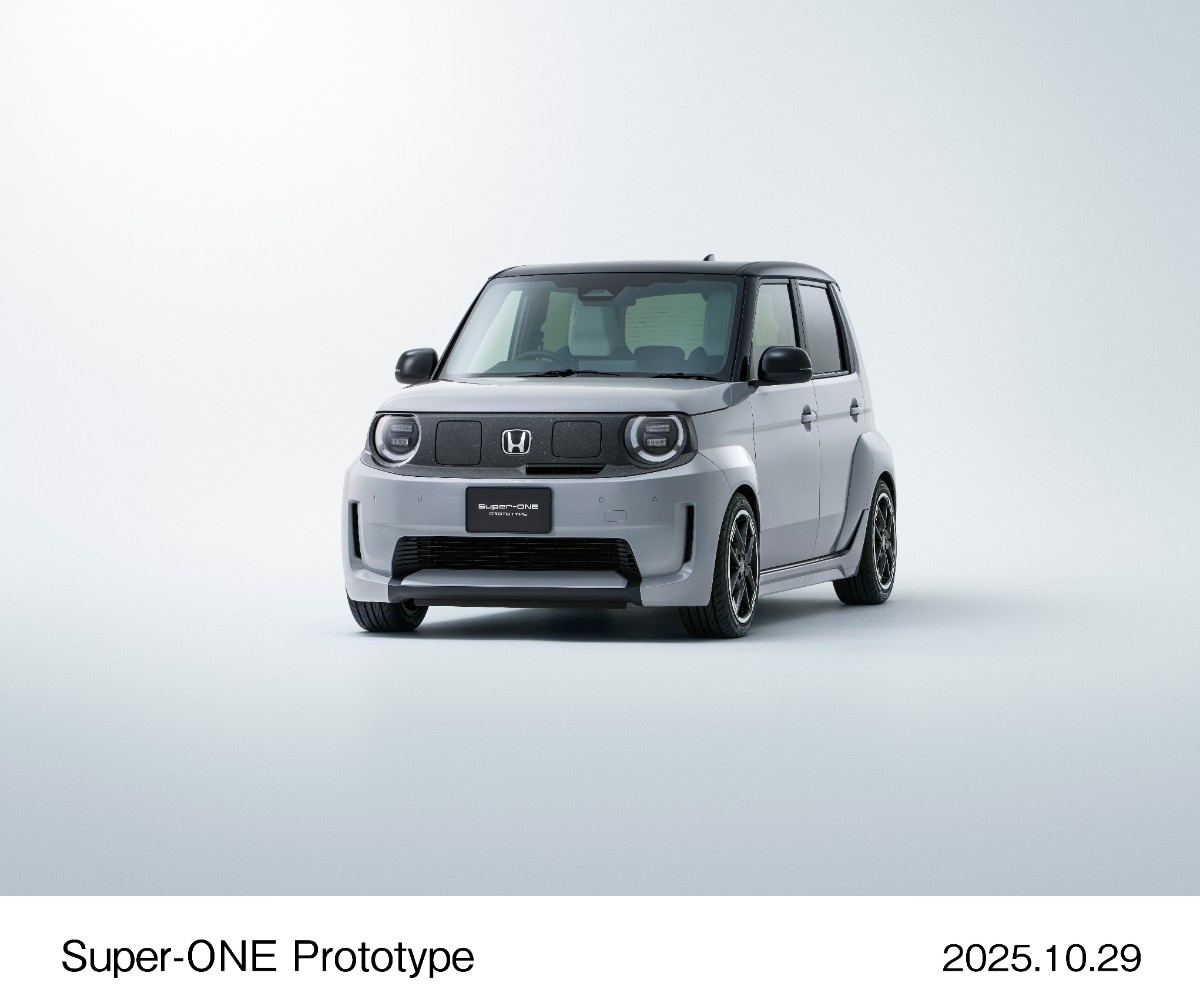
The exterior design centers on those flared blister fenders housing wide tires, creating what Honda calls a “low and wide stance.” Aerodynamic elements include front and rear air ducts for cooling and efficiency. The styling aims to evoke “an uplifting sensation in anticipation of an authentic driving experience.”
That last phrase is revealing—Honda wants the car to look like it delivers authentic driving before you even get in. The aggressive stance, the wide tires, the functional aero—all communicate performance intent.
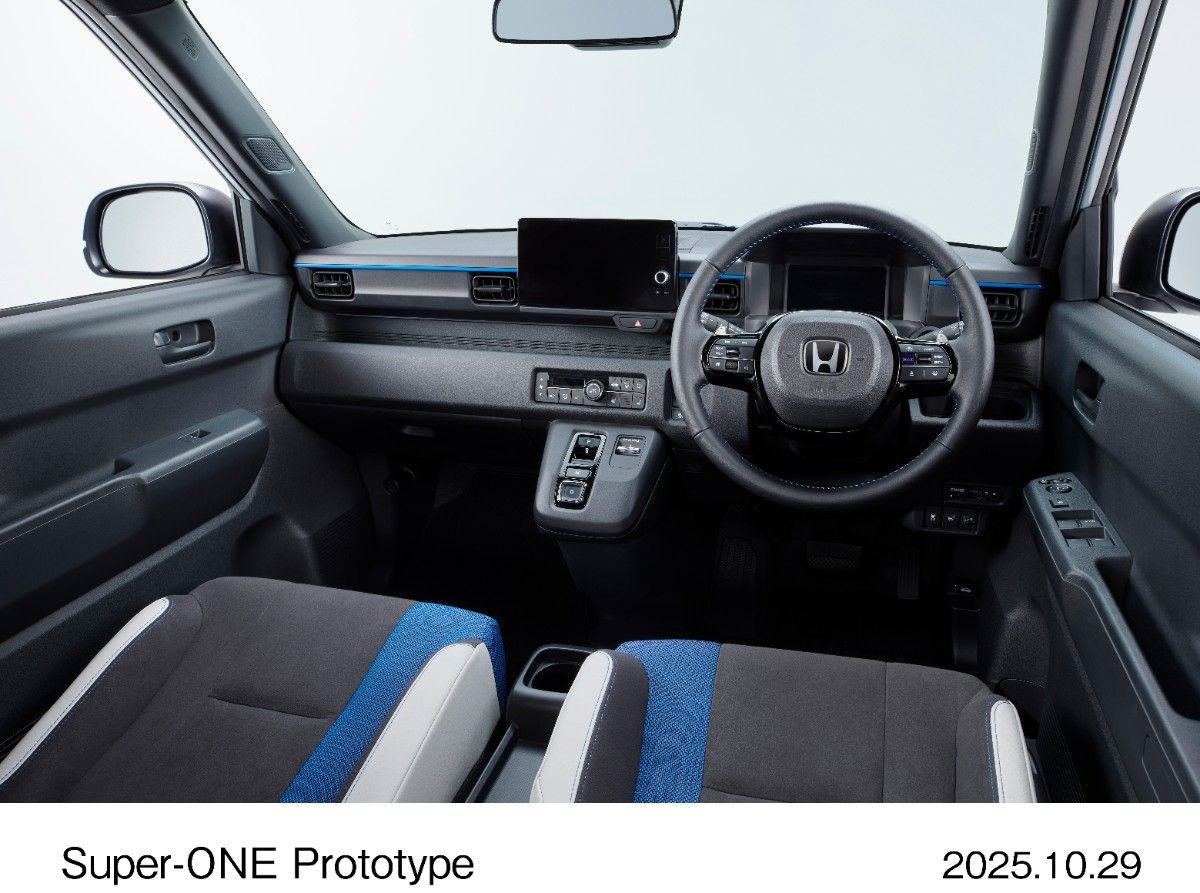
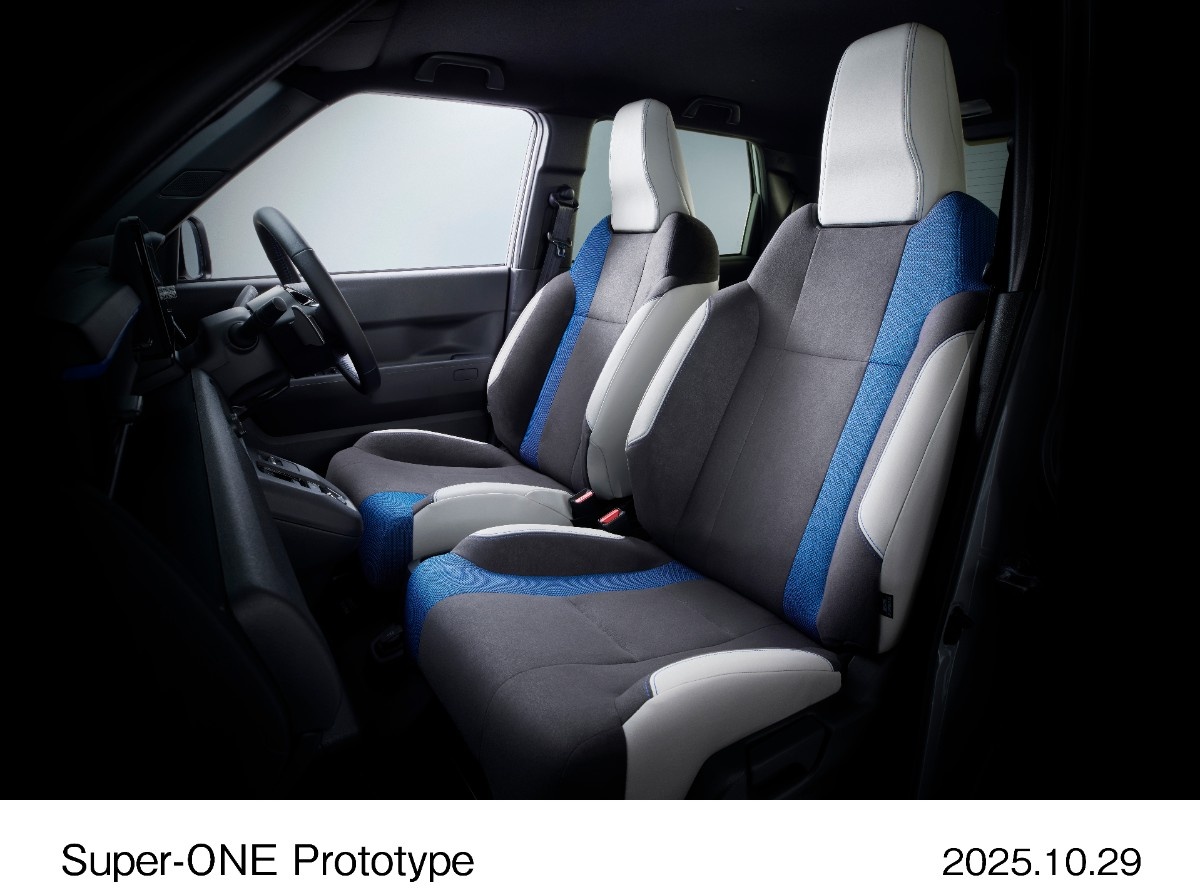
Inside, Honda designed sport seats that hold drivers firmly, with asymmetric blue surface material adding “playful touch.” The instrument panel runs horizontally to minimize visual clutter and keep driver focus forward.
These are sensible design choices for any sporty compact car, electric or otherwise. Nothing here specifically requires the Boost Mode simulation to work effectively.
Honda Super-ONE
Honda Super-ONE
Production Plans and Regional Names
Honda plans to launch the production version in Japan starting 2026, followed by the UK and Asian markets with strong compact EV demand. Interestingly, it will carry different names by region:
Super-ONE: Japan and most of Asia/Oceania
Honda Super-ONE: Some Asia/Oceania countries (presumably where “Honda” branding needs emphasis)
Super-N: United Kingdom
The UK naming references Honda’s N Series, though British buyers won’t be familiar with those Japan-only kei cars. It’s an odd choice that might confuse rather than clarify.
The Bigger Picture
This vehicle fits Honda’s broader electric strategy, which has been cautious compared to competitors. While brands like Hyundai/Kia, GM, and Ford rush comprehensive EV lineups to market, Honda has moved deliberately—focusing on proven technologies and markets where they see genuine demand.
The Super-ONE targets compact car buyers in regions where small vehicles dominate: Japan obviously, but also urban areas across Asia and European cities where parking and narrow streets make compact dimensions practical.
Pricing hasn’t been announced, but expect positioning competitive with other compact EVs like the Fiat 500e, Mini Cooper Electric, or Honda’s own Honda e (which has struggled commercially due to high pricing and limited range).
Who This Is Actually For
The Super-ONE seems designed for two potentially overlapping groups:
Traditional Honda enthusiasts who love the brand’s sporty small cars (Civic Si, older CR-X, S2000) but feel obligated or interested in going electric. Boost Mode lets them maintain some connection to the sensory experience they enjoy.
New EV buyers skeptical about electric performance who need reassurance that EVs can feel exciting. The simulated transmission and engine sounds provide familiar feedback during the transition.
Whether either group is substantial enough to justify this approach remains unclear. Many traditional enthusiasts dismiss EVs entirely and won’t be swayed by simulations. Many EV adopters specifically chose electric precisely because they’re different from combustion vehicles.
Honda Super-ONE
Honda Super-ONE
The Authenticity Question
Honda’s challenge is philosophical: does authentic driving experience require authentic mechanical sources, or can simulation create genuine enjoyment?
Video games use entirely simulated physics, sounds, and visuals to create genuinely exciting racing experiences. Virtual reality tricks brains into feeling presence in places that don’t physically exist. If the sensations feel real and enhance enjoyment, does the source matter?
But cars exist in physical reality where authenticity traditionally matters. Enthusiasts value mechanical connection—the actual vibration of combustion, the mechanical engagement of shifting gears, the organic sounds of intake and exhaust.
The Super-ONE exists in uncomfortable middle ground—physical vehicle, simulated experience. It’s neither fully embracing electric vehicle advantages nor fully delivering combustion vehicle characteristics. It’s something in between, which might satisfy no one completely.