KTM 1390 Super Duke RR: When “The Beast” Goes On a Diet
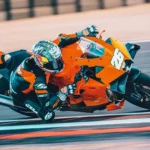
A newly surfaced European type-approval filing has confirmed what many suspected: KTM is preparing an even more focused version of its flagship naked, the 1390 Super Duke R, and it will wear the RR badge again. This isn’t about chasing headline horsepower; it’s about stripping mass, sharpening feel, and selling a limited batch of the most serious street-legal track tool the platform can support.
On paper it looks like a familiar KTM move: take an already extreme bike, then turn the wick up for a small group of customers who understand what they’re buying. In reality, the 1390 Super Duke RR says a lot about where high-performance naked bikes are heading, and about how manufacturers are using limited specials to keep enthusiasts engaged in between full generational changes.
KTM 1390 Super Duke RR
KTM 1390 Super Duke RR
KTM 1390 Super Duke RR
KTM 1390 Super Duke RR
KTM 1390 Super Duke RR
KTM 1390 Super Duke RR
KTM 1390 Super Duke RR
KTM 1390 Super Duke RR
KTM 1390 Super Duke RR
KTM 1390 Super Duke RR
Born from the Type-Approval PDFs
The story doesn’t start with a flashy launch. It starts with paperwork.
A new European type-approval document lists a 1390 Super Duke RR as a 2026 model, separate from the existing 1390 Super Duke R and Evo. The key lines are simple but telling:
Power: unchanged at 188 hp (140 kW) at 10,000 rpm
Torque: unchanged at 145 Nm at 8,000 rpm
Kerb weight (fully fuelled): down to 205 kg, from roughly 220 kg for the standard 1390 R
So the power curve stays the same; the mass does not. A 15 kg reduction with no loss of output is not a cosmetic tweak. That’s the difference between “big naked that can track” and “track weapon that happens to have a number plate.”
KTM has been here before. The 1290 Super Duke RR used the same playbook: keep the engine, cut the weight, upgrade the hardware, and cap production at a small number of units. The new documents suggest the 1390 RR is a direct spiritual successor rather than an all-new branch.
Why This Bike Exists
If the numbers haven’t moved, why build an RR at all?
Because this is not an engine story. It’s a philosophy story.
The regular 1390 Super Duke R is already beyond what most riders will fully exploit on the road: 188 hp, huge midrange, sophisticated electronics, and a chassis that can pull track duty. The RR is for the rider who looks at that package and still sees compromises. Passenger pegs. Heavier wheels. A dual-seat tail. Semi-active suspension tuned to do a bit of everything.
The RR aims to answer a narrower brief:
“Give up the last slice of practicality in exchange for feel.”
In that sense, it mirrors what Ducati has done with “Superleggera” and other ultra-focused specials. This isn’t about adding power because the dyno chart looks better in marketing. It’s about making the bike more transparent at the limit: less inertia, less unsprung mass, more consistent damping, tighter feedback through the bars and the seat.
As one test rider reportedly put it during the 1290 RR era, “The power isn’t different. The way the bike reacts is.” The 1390 RR, based on the leaked figures, is heading down exactly the same road.
KTM 1390 Super Duke RR
Hardware Changes: Where the Kilos Go
The approval filing mentions a road-legal Akrapovič titanium muffler, which is expected to resemble the stacked twin-outlet system currently sold as an accessory. A slip-on alone can’t shed 15 kg, so the rest of the weight savings will need to come from a familiar list of tricks:
Titanium exhaust
Lighter silencer and possibly sections of the system in titanium cut several kilos high up on the bike, improving turn-in and making fast direction changes less tiring over a session.
Forged wheels
Previous RR variants used MotoGP-style seven-spoke forged alloys. Swapping cast wheels for forged units can drop 1–2 kg per wheel, but what matters is rotational inertia: the bike feels keener to tip into a corner and more eager to stand up under throttle.
Carbon-fibre components
Expect carbon bodywork for side panels, front mudguard, and possibly subframe covers. The effect on overall mass is modest, but it trims weight high on the bike, where riders feel it most.
Single-seat tail
Removing passenger hardware saves not just the seat but brackets, pegs, and associated structure. It’s a clear signal that this is a one-rider machine.
The previous 1290 RR also ditched semi-active suspension for fully adjustable WP Apex Pro forks and shock, and there’s every reason to assume KTM will repeat that approach here. Firm, manually adjustable hardware is still the gold standard for riders who want predictable behavior lap after lap rather than one-setting-fits-most compromise.
In other words, the RR is built to respond the same way on lap 3 and lap 23.
KTM 1390 Super Duke RR
Numbers in Context: What 15 kg Actually Means
A drop from roughly 220 kg to 205 kg with a full tank is the headline from the certification document. That doesn’t sound huge on paper, but in real riding:
Braking distances shorten slightly because there’s less mass to arrest.
Transitions through fast chicanes feel cleaner; the rider has to fight the bike less.
The suspension works with more headroom; each component is dealing with a smaller load.
For reference, losing 15 kg at a constant 188 hp improves the power-to-weight ratio by around 7–8 percent. That’s not far from the jump you’d get by adding roughly 10–15 hp to the standard bike without touching the mass—but here, you get better feel too.
On a tight track day where lap times are limited more by confidence than outright horsepower, that can easily translate into a second or more per lap for a rider who can exploit the difference.
1390 Super Duke R vs RR
To make the changes clearer, here’s how the expected RR stacks up against the base model, based on the approval filing and previous RR philosophy:
Feature
1390 Super Duke R
1390 Super Duke RR (expected)
Power
188 hp @ 10,000 rpm
188 hp @ 10,000 rpm
Torque
145 Nm @ 8,000 rpm
145 Nm @ 8,000 rpm
Kerb weight (full tank)
~220 kg
205 kg
Exhaust
Steel system, optional Akra accessory
Road-legal Akrapovič titanium muffler
Wheels
Cast alloy
Lightweight forged alloy (expected)
Suspension
WP semi-active (select trims)
WP Apex Pro fully adjustable (expected)
Seat / tail
Dual seat, passenger pegs
Single-seat tail, no passenger hardware (expected)
Bodywork
Mixed plastic
Added carbon-fibre components (expected)
Production
Regular series
Limited run (likely similar to 500 units of 1290 RR)
The key takeaway is simple: same engine, same geometry, less weight and sharper hardware.
Philosophy: Focus Over Excess
“The RR is not about bigger numbers; it’s about fewer compromises.” That’s the underlying message.
KTM could have squeezed a few more horsepower out of the LC8c-based V‑twin. It chose not to. That decision tells you the brand knows the limiting factor for most riders on a 188‑hp naked isn’t the engine; it’s how consistently they can use the power already available.
By homing in on mass, wheel design, suspension hardware, and rider interface, the RR moves the 1390 platform closer to where serious track riders want it: less filtered, less flexible, more exact.
It also lines up neatly with the way regulatory and market pressure is pushing big bikes. Noise, emissions, and cost constraints make adding power more complicated every year. Weight reduction, component swaps, and limited-series specials are a cleaner way to keep a platform interesting without restarting the homologation process from scratch.
KTM 1390 Super Duke RR
KTM 1390 Super Duke RR
Market Strategy: Limited Numbers, Maximum Signal
The previous 1290 Super Duke RR was limited to 500 units, and they disappeared almost immediately. While KTM hasn’t put a number to the new 1390 RR in the filings, it would be surprising to see a radically different approach.
This type of bike does three things for the brand:
Keeps the hardcore engaged
It gives experienced riders something to aspire to beyond paint and electronics updates.
Raises the perceived ceiling of the platform
The existence of an RR makes the regular 1390 R look more approachable and “usable” by comparison, even though its performance is already formidable.
Builds collector appeal
Limited-run, clearly differentiated models tend to develop a second life on the used market. That helps residual values and keeps the brand in enthusiast conversations long after the production run ends.
As a product, the RR doesn’t have to sell in volume to be successful. Its job is to be visible, desirable, and technically credible.
Who the 1390 Super Duke RR Is For
This is not a bike for someone looking for their first “big” motorcycle. It’s arguably not even for the average 1390 Super Duke R buyer.
The RR is for riders who:
Already ride fast, and often, on track days.
Understand suspension settings and actually use them.
Can feel the difference between cast and forged wheels from the first braking zone.
Are willing to give up passenger practicality and some day-to-day comfort in exchange for clarity at 9/10ths.
For them, the RR is a logical step: a way to get a more concentrated version of a bike they already respect, with factory engineering and warranty behind the changes.
Who It’s Not For
If your riding life is mostly commuting, weekend café runs, and the occasional spirited back-road blast, the standard 1390 Super Duke R is already well beyond what you need. The RR’s stiffer suspension, single-seat layout, and track-first setup will likely feel like a penalty rather than an upgrade.
It’s also not for buyers chasing spec-sheet bragging rights alone. The power number doesn’t move. If all you care about is a bigger hp figure to quote, you will miss what makes this model interesting.
Why It Will Likely Become Collectible
Limited production, obvious hardware differences, and a clear philosophy usually add up to long-term interest. The 1290 RRs are already sought after; the 1390 RR will follow the same pattern, but on a newer, more advanced base.
In 10 years, this is the kind of bike you’ll see in private collections and well-kept track garages, still on original bodywork, with owners who say things like, “I could have bought the regular one, but…”
And that’s the point. The 1390 Super Duke RR isn’t here to replace “The Beast.” It’s here to show what happens when KTM stops asking what most riders want—and builds the version a small number of very serious ones have been waiting for.