Lexus Sport Concept Interior Revealed: Yoke Wheel, Triple Screens, and Manual Mode Mystery
Lexus finally pulled back the curtain on the Sport concept’s interior at the Tokyo auto show, three months after debuting the exterior at The Quail in August. The cabin reveals a driver-focused cockpit featuring a yoke steering wheel, an unusual three-screen instrument cluster, and one intriguing detail that’s sparked debate: what appears to be a manual transmission mode displayed on an electric vehicle.
With the LC500 coupe nearing retirement and the RC already discontinued after 2025, Lexus faces a coupe-shaped hole in its lineup. This Sport concept might preview how they’ll fill it—assuming it’s more than pure show car fantasy.
The Cockpit: Fighter Jet Meets Luxury Car
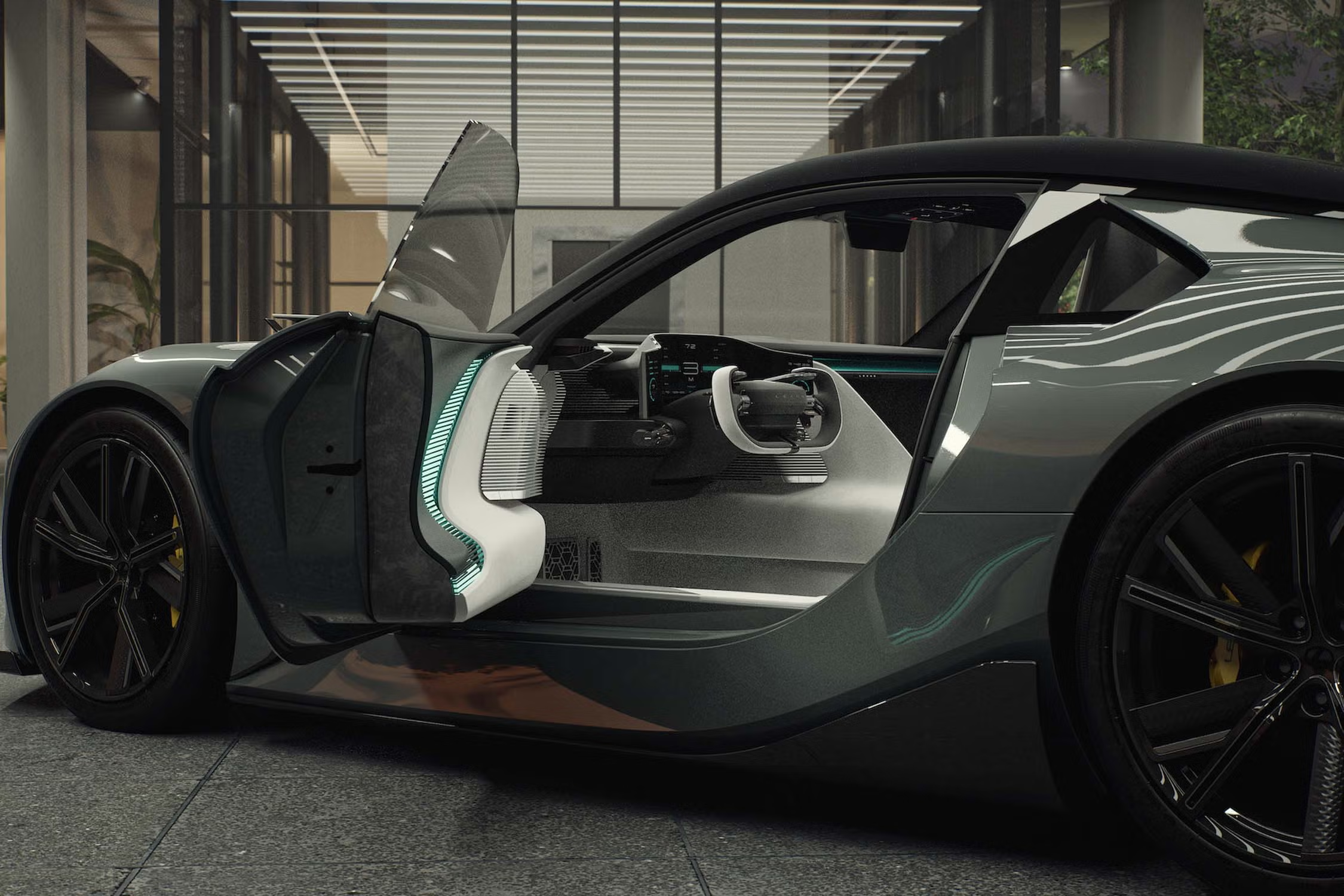
The interior design centers entirely on the driver. A cocoon-like structure surrounds the driver’s seat, creating physical and visual separation from the passenger side. This isn’t subtle—white fabric covers the driver’s pod while black upholstery handles the passenger area, emphasizing the two-tone division.
The yoke steering wheel is covered with physical buttons and switches controlling various functions. Beyond standard items like wipers, there’s an “F-mode” button likely activating maximum performance settings, plus a “Custom” button presumably allowing mixed configurations—aggressive powertrain with comfortable suspension, for example.
Behind the yoke sits the unique instrument cluster: a curved main central screen showing speed and essential data, flanked by two auxiliary displays monitoring powertrain temperatures and what looks like lap timing. The entire setup nestles within that driver cocoon, enhancing the fighter jet cockpit feeling Lexus clearly pursued.
Turquoise ambient lighting runs in repeating lines across doors and dashboard, creating visual drama. Even the pedals feature intricate latticework rather than simple rubber pads. These details separate concept cars from production vehicles—nobody’s manufacturing artisan pedals for volume models.
Lexus Sport Concept Interior
Lexus Sport Concept Interior
Lexus Sport Concept Interior
Lexus Sport Concept (13)
Lexus Sport Concept (12)
Lexus Sport Concept (11)
Lexus Sport Concept (10)
Lexus Sport Concept (8)
Lexus Sport Concept (7)
Lexus Sport Concept (6)
Lexus Sport Concept (5)
Lexus Sport Concept (4)
Lexus Sport Concept (3)
Lexus Sport Concept (2)
Lexus Sport Concept (1)
The Powertrain Question: Electric, Hybrid, or Both?
Here’s where things get confusing. The exterior lacks visible exhaust pipes, and the bodywork differs significantly from prototypes of the Toyota GR GT supercar (revealing December, expected to wear Lexus badges in some markets). These clues suggested pure electric power.
The instrument cluster partially confirms this—a battery percentage indicator shows 70% charge, and the main gauges read “Power” and “Charge,” implying regenerative braking capability. So it’s electric, right?
Except the screen also displays a large “3” and the letter “M,” suggesting manual transmission mode. How does an electric vehicle have gears to shift manually?
Several possibilities exist:
Simulated manual transmission: Lexus president Koji Sato has publicly discussed putting simulated manual transmissions in future EV supercars. Toyota even built a prototype electric vehicle with an actual stick shift that does nothing mechanically but provides the shifting experience drivers expect. The Sport concept could feature similar technology.
Hybrid powertrain: The “M” might indicate a multi-speed transmission connected to a combustion engine working alongside electric motors. This would align with rumors about the upcoming Lexus LFR hybrid supercar that’s supposedly replacing the LFA in spirit if not execution.
Pure concept fiction: Display graphics on show cars don’t always reflect actual mechanical reality. Designers might have included manual mode simply because it looks cool on screens without committing to engineering feasibility.
Lexus hasn’t officially confirmed powertrain specifications, leaving everyone guessing based on screen graphics and missing exhaust pipes.
Lexus Sport Concept Interior
Lexus Sport Concept Interior
Exterior Recap: Essentially Unchanged
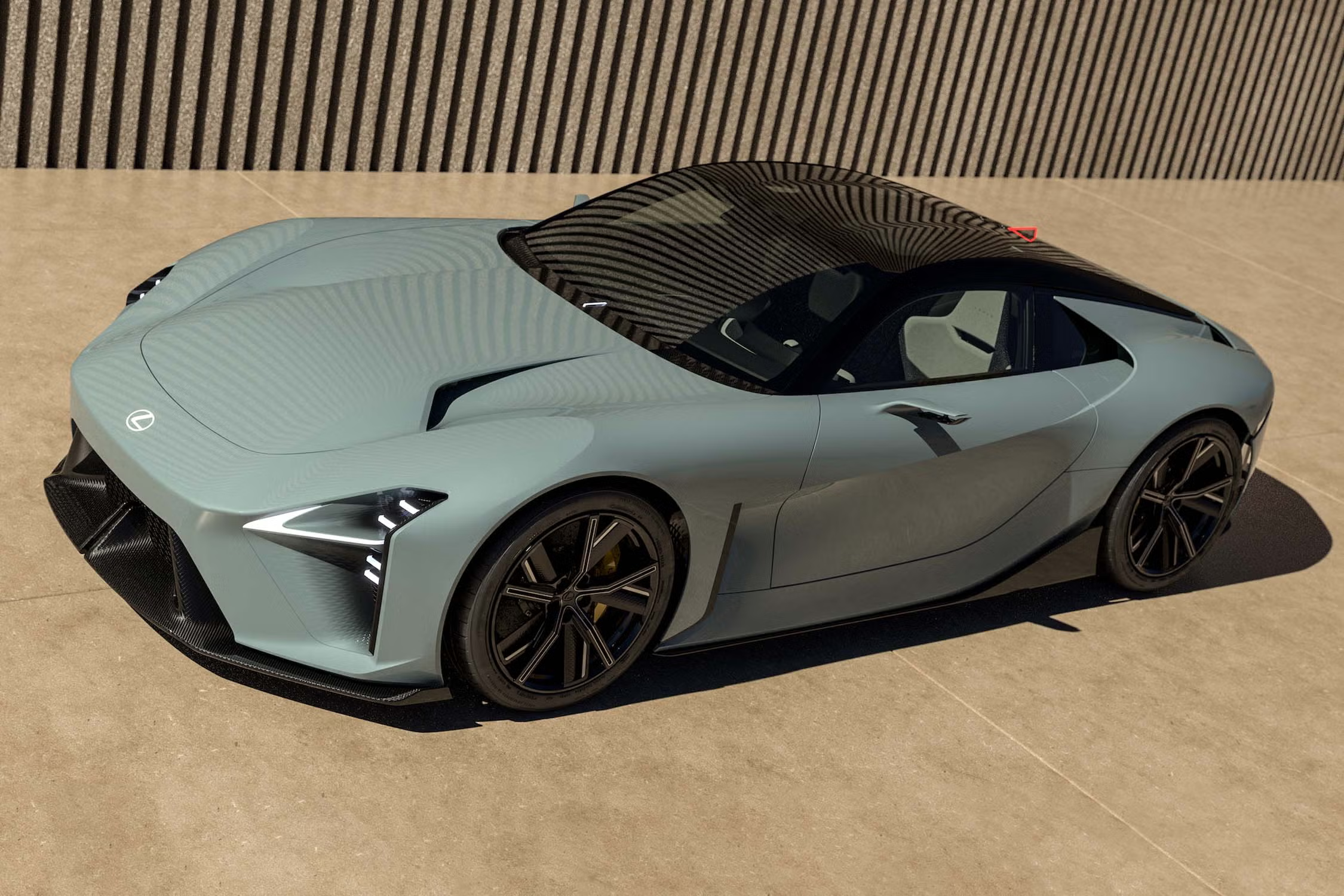
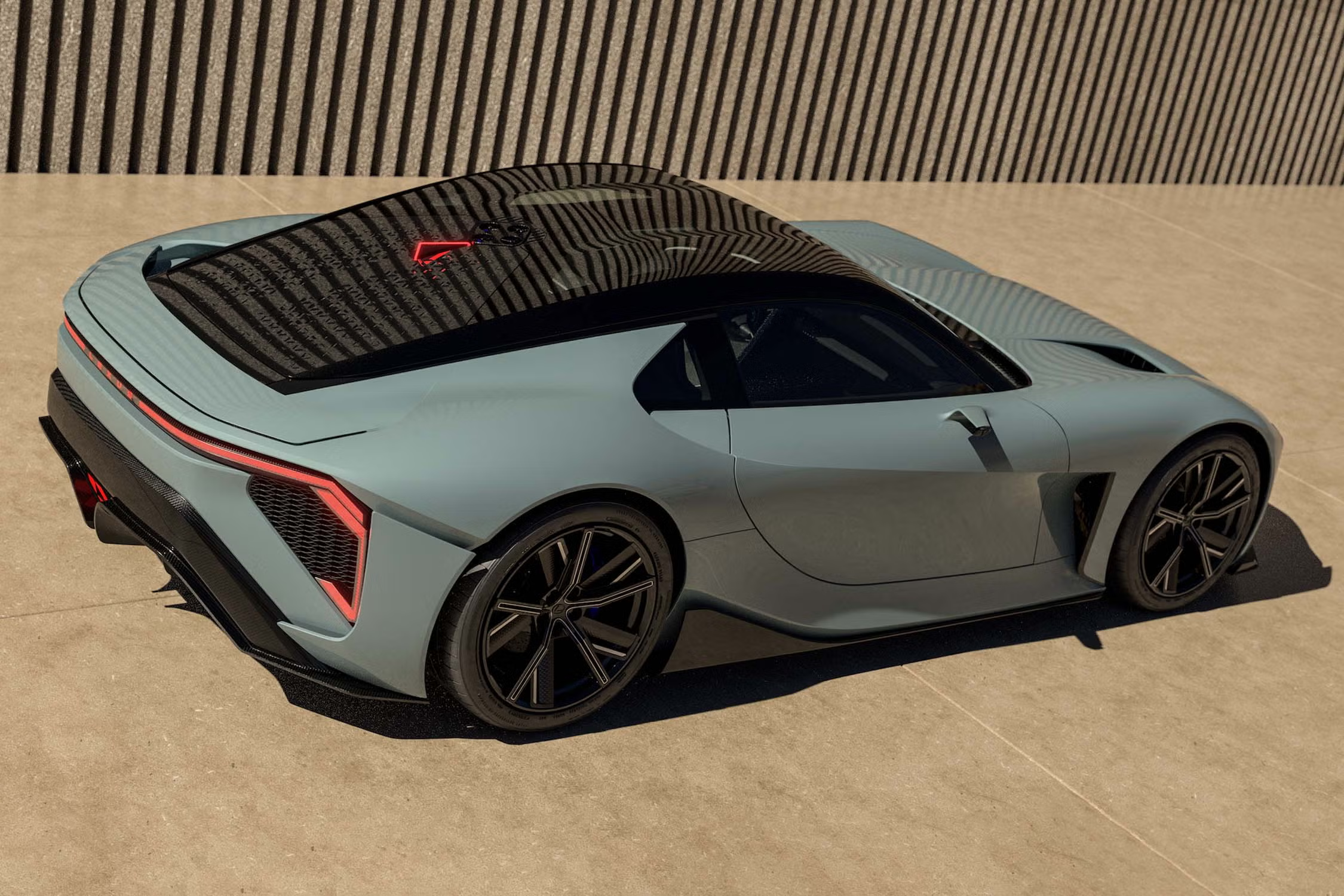
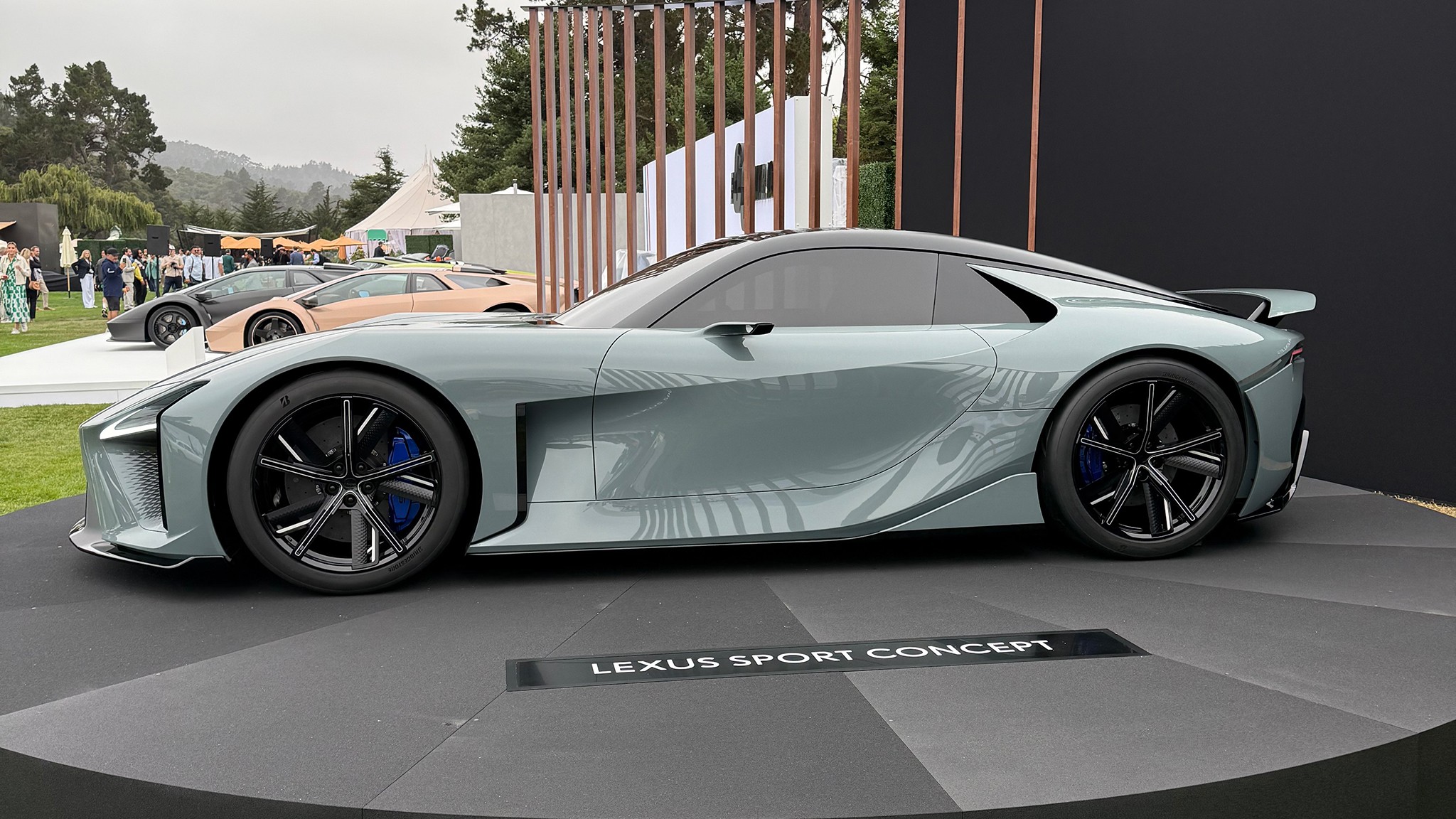
The Tokyo show car looks virtually identical to the August reveal at The Quail, with only minor trim changes. That’s normal—concepts rarely evolve significantly between shows unless they’re transitioning toward production.
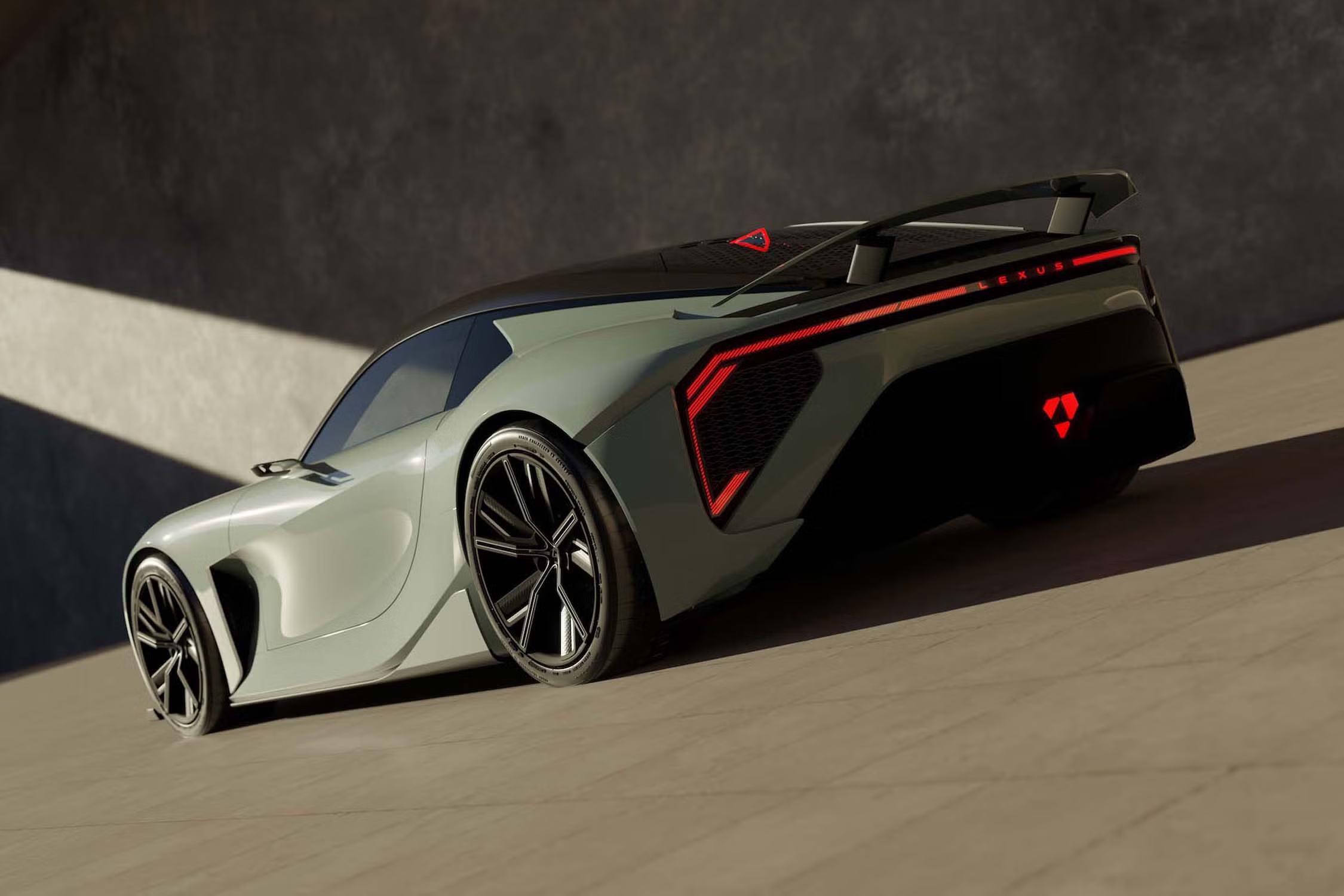
The design emphasizes long hood, muscular bodywork, and intricate LED headlights with a floating checkmark element. Vents and intakes scatter across the front end, hood, and fenders. The rear features a full-width lightbar and active spoiler.
It’s attractive, especially compared to Lexus’s sometimes polarizing recent designs. Whether it actually previews production styling or represents pure concept car excess remains unclear.
What This Actually Represents
The Sport concept exists in ambiguous territory between several possible futures:
Evolution of 2021 Electrified Sport: That earlier concept promised EV supercar performance targeting vehicles like Porsche Taycan Turbo S. This could be a refined version approaching production readiness.
LFR hybrid supercar preview: The rumored LFR supposedly pairs V8 power with electric motors for combined 1000+ horsepower. This concept might preview that car’s design language and interior approach.
Pure concept exercise: Maybe it’s just Lexus design team exploring what a future sports car could look like without committing to actual production. Show cars often serve this purpose—testing ideas and gauging reactions without financial commitment.
The manual mode display suggests Lexus is seriously considering simulated transmissions for EVs, which aligns with public statements from company leadership. Whether that’s brilliant (preserving driver engagement) or silly (fake experience in electric cars) depends entirely on execution and personal preference.
Lexus Sport Concept Interior
Lexus Sport Concept Interior
The Coupe Void Problem
Lexus genuinely faces a lineup gap. The LC500, despite being gorgeous, sells in tiny numbers—around 1,500 annually in the U.S. It’s too expensive and impractical for volume success but too important for brand image to abandon completely.
The RC departed because it couldn’t justify continued development investment given sales volumes. That leaves Lexus without any two-door sports cars, which matters for brand perception even if buyers overwhelmingly choose SUVs.
A new sports coupe positioned between LC500’s $100k+ pricing and more attainable levels could work if executed properly. But development costs for low-volume vehicles are brutal, especially when investing in EV or complex hybrid powertrains.
Toyota’s upcoming GR GT might provide platform and powertrain sharing that makes a Lexus variant financially feasible. Shared engineering costs across brands enable niche vehicles that wouldn’t work independently.
The Reality Check
Concepts shown at multiple auto shows rarely reach production unchanged. The Sport concept’s yoke steering wheel probably won’t survive—regulatory requirements and customer preference typically force traditional wheels. The three-screen instrument cluster might simplify into more conventional layouts. Those artisan pedals definitely disappear.
But core ideas could translate: driver-focused cabin architecture, high-tech displays, performance-oriented features, and potentially that simulated manual transmission if Lexus commits to it.
The concept serves its purpose—generating buzz, demonstrating design capability, and keeping Lexus relevant in sports car conversations despite having no actual sports cars currently in production. Whether it becomes something real depends on factors beyond design: market demand, business case viability, and corporate willingness to invest in low-volume passion projects.