Mitsubishi Elevance Concept: Quad-Motor PHEV Crossover with AI Co-Driver Debuts at Tokyo
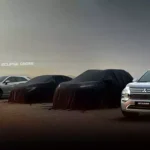
Mitsubishi Motors revealed the Elevance Concept at the Japan Mobility Show 2025—an electrified crossover SUV featuring quad-motor all-wheel drive, plug-in hybrid powertrain, and an AI system that suggests destinations based on driver lifestyle. The concept anchors Mitsubishi’s “Forever Adventure” booth theme, joined by the new Delica D:5 prototype and the all-new Delica Mini that launched for sale in Japan today.
The Elevance Concept represents Mitsubishi’s vision for premium adventure vehicles combining sophisticated electrification technology with the brand’s signature Super-All Wheel Control (S-AWC) system scaled to four independent motors.
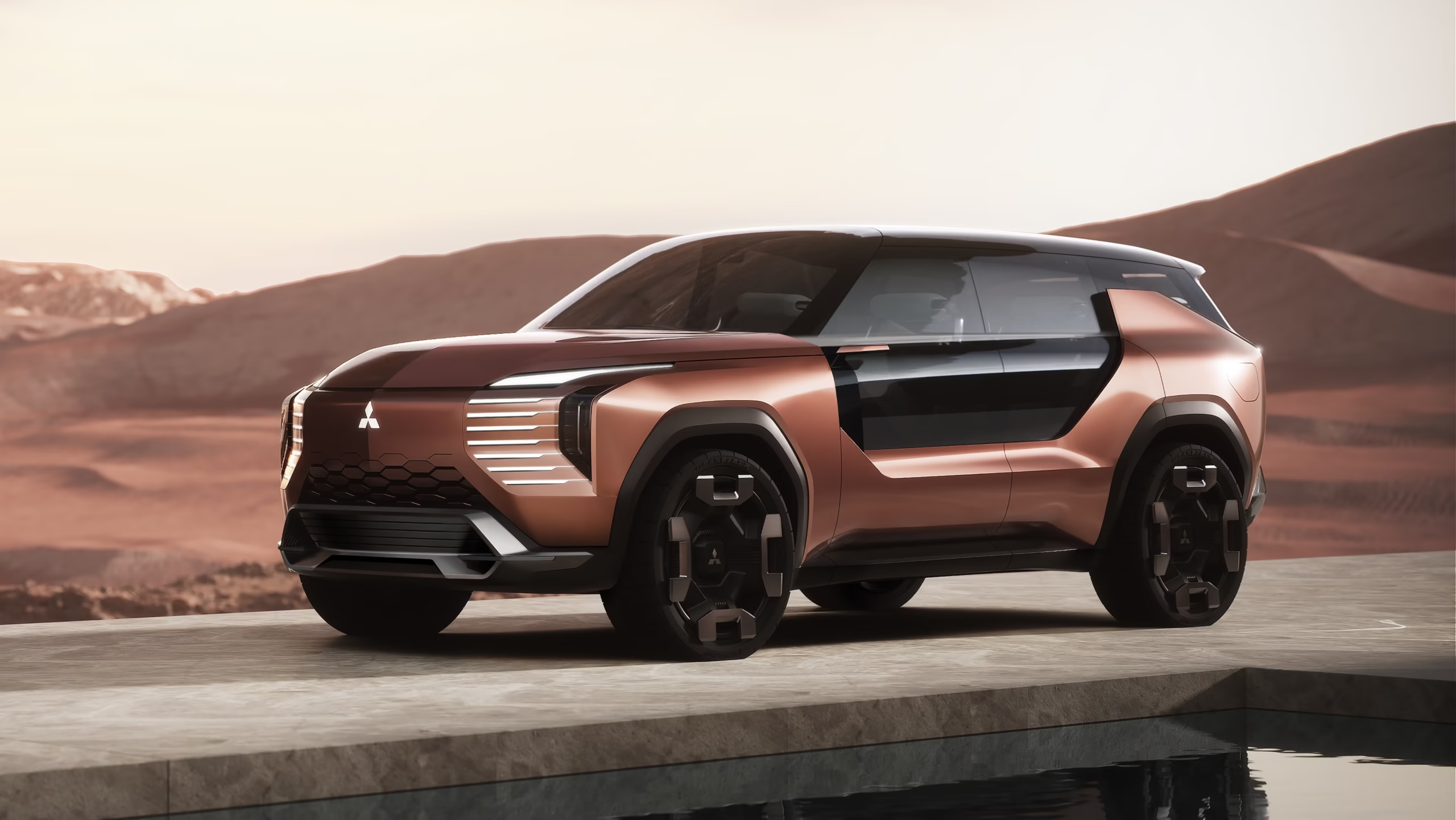
Mitsubishi Elevance Concept
Mitsubishi Elevance Concept
Mitsubishi Elevance Concept
Mitsubishi Elevance Concept
Mitsubishi Elevance Concept
Delica D5 Prototype
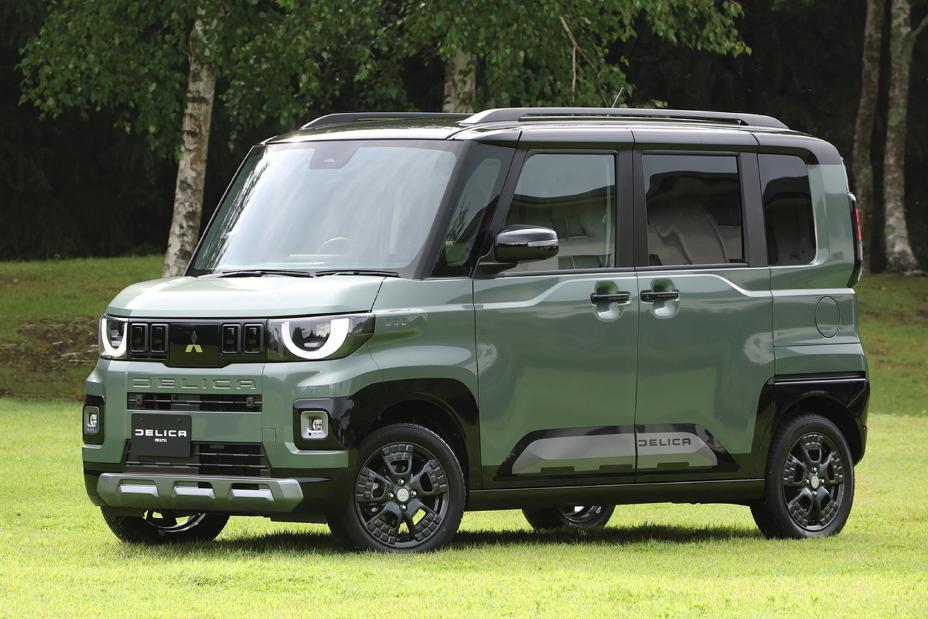
Delica Mini
Elevance Design: Luxe Adventurer Philosophy
The exterior follows what Mitsubishi calls the “Luxe Adventurer” concept—smooth, seamless upper cabin contrasted with a taut, muscular lower body. It’s attempting to balance refined urban presence with off-road capability credibility, a difficult balance that most crossovers fail to achieve convincingly.
The capsule-style cabin sits atop a robust body structure inspired by “rib-bone frame” construction, supposedly delivering exceptional rigidity. Whether this architecture actually provides meaningful stiffness improvements over conventional unibody construction remains unproven in a concept that will never face crash testing or real-world durability validation.
Up front, the Elevance showcases an evolved Dynamic Shield design—Mitsubishi’s current design language featuring protective-looking elements flanking the grille. Combined with honeycomb-structured front grille, it aims for sophistication and power simultaneously.
Character lines flow from headlights along the body sides to taillights in continuous sculpting. The side windows sit below these character lines, maximizing glass area for outward visibility—practical for the adventure scenarios Mitsubishi envisions.
The overall aesthetic works reasonably well for a concept. Whether production constraints would maintain these proportions is questionable, but as pure design exercise, the Elevance avoids the overwrought aggression many concept crossovers embrace.
Quad-Motor PHEV: Complex but Capable
The powertrain architecture is the Elevance’s most interesting technical element. Mitsubishi pairs a high-efficiency gasoline engine (compatible with carbon-neutral fuels) with a large-capacity battery in plug-in hybrid configuration. But instead of conventional front/rear motor layout, the Elevance uses four independent motors.
In-wheel motors at the front supposedly enhance steering stability through precise individual wheel torque control. The rear employs dual-motor Active Yaw Control (AYC) delivering “powerful driving force” while enabling independent left/right rear wheel torque distribution.
This quad-motor approach integrated with Mitsubishi’s S-AWC technology could theoretically provide exceptional traction and handling across varied surfaces. Individual wheel torque control enables sophisticated responses to slipping wheels, weight transfer, and driver inputs.
The challenges: in-wheel motors add unsprung mass, potentially degrading ride quality. They’re mechanically complex, expensive to produce, and difficult to package with braking systems. Whether these trade-offs deliver meaningful real-world advantages over simpler dual-motor systems remains unproven.
Mitsubishi claims the system maintains vehicle level on uneven terrain and minimizes wobble/sway to reduce carsickness risk. Those are impressive promises requiring extensive validation that concepts never receive.
The PHEV system provides EV-only operation for “nearly all everyday driving” with hybrid capability for longer journeys. Mitsubishi hasn’t specified battery capacity, electric-only range, total system power, or fuel economy estimates—typical concept car information gaps.
Mitsubishi Elevance Concept
AI Co-Driver: Destination Suggestions and Drive Mode Optimization
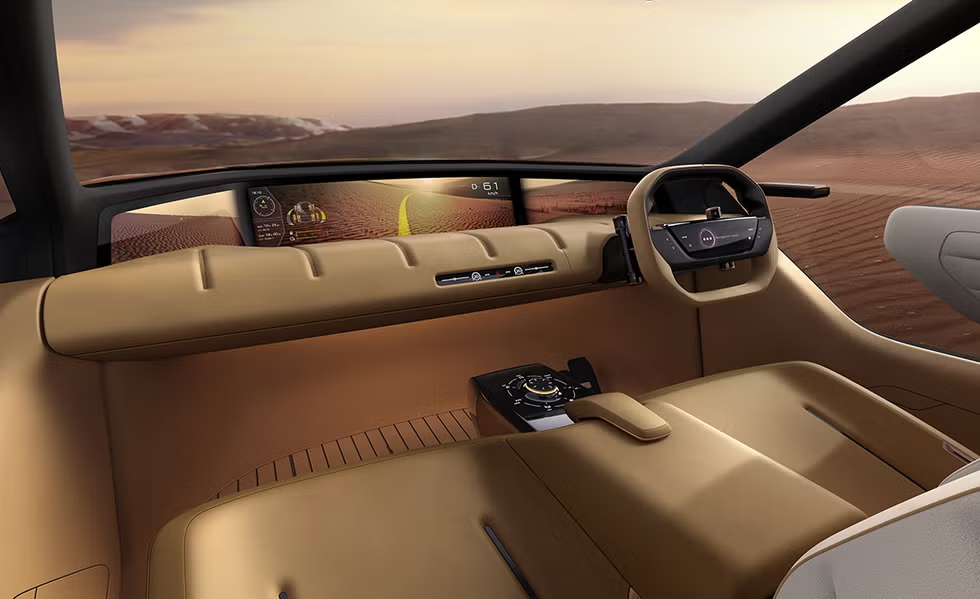
The Elevance introduces an AI Co-Driver displayed on LCD screens in the steering wheel and instrument panel. It offers two primary functions:
Personalized destination suggestions based on driver lifestyle, preferences, and patterns. The system supposedly “expands horizons” by recommending places aligned with individual interests.
Real-time drive mode optimization analyzing surrounding conditions, vehicle status, and road surfaces detected by sensors to recommend optimal settings.
These features sound appealing in press releases but raise practical questions. How accurately can AI infer destination preferences from limited data? Will suggested destinations genuinely appeal, or will they feel like algorithmic guesses that miss the mark? And do drivers actually want AI constantly suggesting where to go?
The drive mode optimization is potentially more useful—if sensors can accurately detect road surface conditions and the AI genuinely improves drive mode selection beyond what adaptive systems already provide. But adding AI branding to adaptive driving systems doesn’t necessarily mean meaningful capability improvements.
Interior: Shell-Type Form and Three-Row Seating
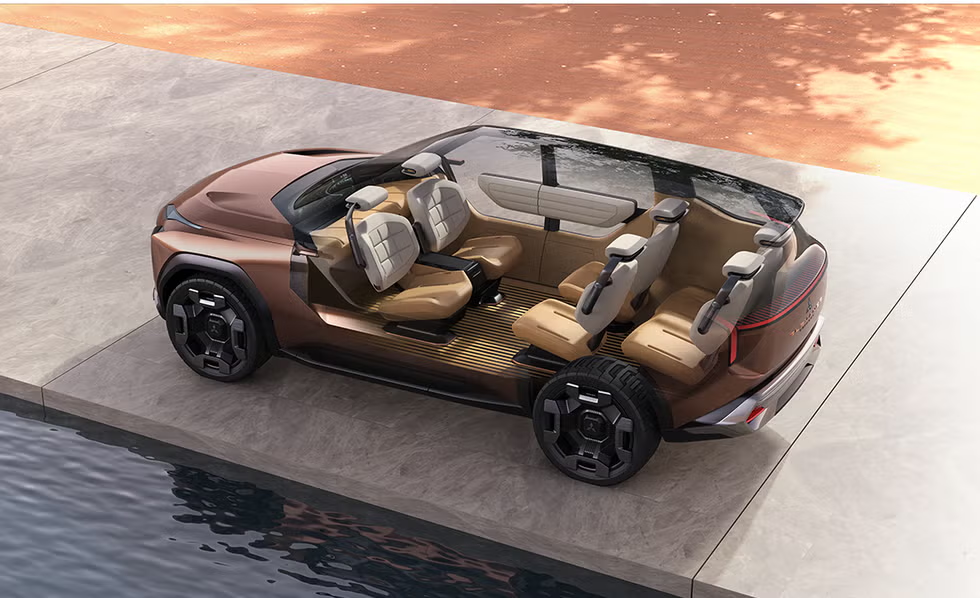
Mitsubishi describes the interior as molded into “seamless, shell-type form” from instrument panel and door trim down to the floor. This cohesive design supposedly creates “an atmosphere that feels like a protective cloud of safety embracing everyone aboard”—marketing language that doesn’t convey actual interior layout or materials.
The instrument panel features a full-width screen extending from driver to passenger side. Mitsubishi claims it provides views of front blind spots and areas not normally visible, functioning as camera system interface rather than just infotainment display.
Three-row, six-passenger seating offers space for family and friends with luggage. High-quality leather seats supposedly provide comfort during long journeys. Standard concept car claims pending actual seat evaluation.
The PHEV system can power trailer-mounted kitchen and shower equipment, enabling “refined glamping-style excursions.” Whether luxury camping justifies quad-motor PHEV complexity is debatable, but it’s a use case differentiating the Elevance from typical crossover concepts.
Mitsubishi Elevance Concept
Delica D:5 Prototype: S-AWC for the All-Around Minivan
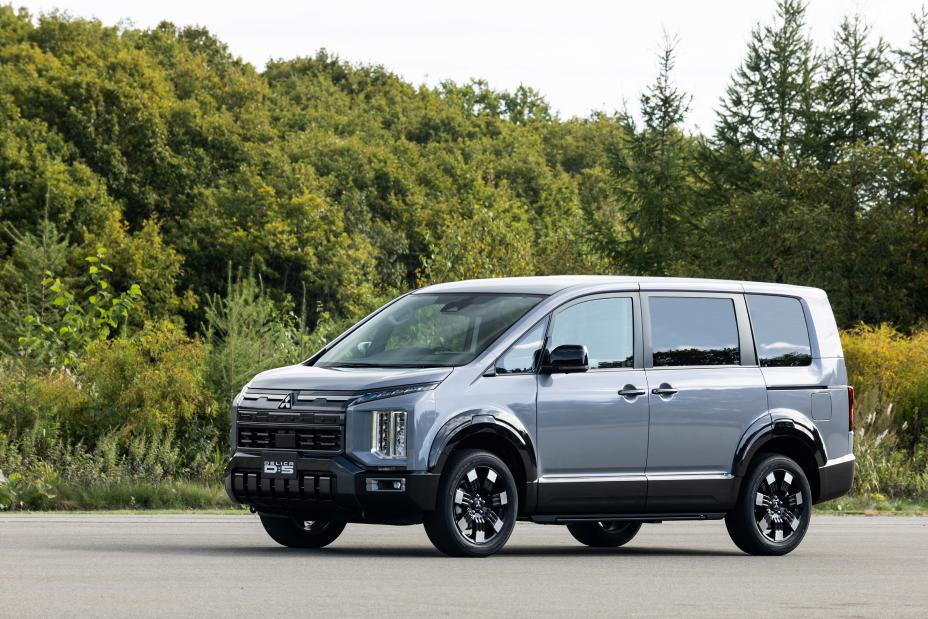
The new Delica D:5 prototype showcases Mitsubishi’s “all-around minivan” that blends minivan comfort with SUV road handling. Developed under “enhanced all-around MPV” concept, it now incorporates S-AWC technology with enhanced drive modes for diverse road surfaces.
Exterior updates add “polished touch to its powerful off-road profile”—redesigned front grille, new bumper conveying toughness and sophistication, added wheel arch moldings emphasizing capability. Inside, metal-accented panels evoke outdoor gear aesthetic while updated interface features digital display gauges.
The Delica series has achieved over 1,380,000 cumulative sales since 1968 by embodying “a vehicle that reliably transports passengers and cargo to their destination across diverse road conditions.” That 57-year track record suggests genuine capability rather than marketing positioning.
Whether adding S-AWC meaningfully improves the already-capable Delica D:5 depends on implementation quality. Done well, sophisticated torque vectoring enhances handling and traction. Done poorly, it’s complexity for complexity’s sake.
Delica D5 Prototype
Delica Mini: Kei-Car Super Height Wagon
The all-new Delica Mini launched for sale in Japan today as a super height-wagon kei-car—Japan’s ultra-compact vehicle category with strict size and displacement regulations. Developed as “advanced, active, reliable partner,” it brings Delica capability to kei-car dimensions.
The exterior offers “outdoorsy and endearing” design, while the interior provides “refined and innovative” space with improved handling and user-friendliness through five drive modes.
Kei-cars remain Japan-exclusive due to dimension restrictions that don’t align with safety or market preferences elsewhere. But they’re enormously popular domestically, and applying the Delica nameplate to this segment leverages brand equity while targeting practical urban customers.
Delica Mini
The “Forever Adventure” Theme
Mitsubishi president Takao Kato positioned the booth around “Forever Adventure” theme expressing “passion for delivering the timeless wonder of exploration.” He emphasized that “even in an age of advanced technologies, we remain committed to the pure joy of driving and aim to inspire a mobility experience that awakens the sense of adventure.”
That’s lovely messaging, but whether these vehicles actually deliver adventure experiences depends on execution quality, pricing, and whether customers embrace complex electrified systems for outdoor pursuits where simplicity often proves more valuable than sophistication.
Production Reality Check
The Elevance Concept won’t reach production in this form—quad-motor in-wheel PHEV systems are prohibitively expensive and complex for volume manufacturing. Individual elements might influence future products: AI features could appear in simplified form, design language might carry over to production crossovers, and PHEV technology continues evolving.
The Delica D:5 prototype is closer to production reality, likely previewing a model launching within 12-24 months. The Delica Mini is already on sale, making it the only tangible product from this announcement.
Mitsubishi faces challenging market positioning—too small to compete across all segments like Toyota or Volkswagen, but needing differentiation beyond basic transportation. Adventure-focused branding attempts carving a niche, but execution determines whether customers embrace that positioning or dismiss it as marketing.