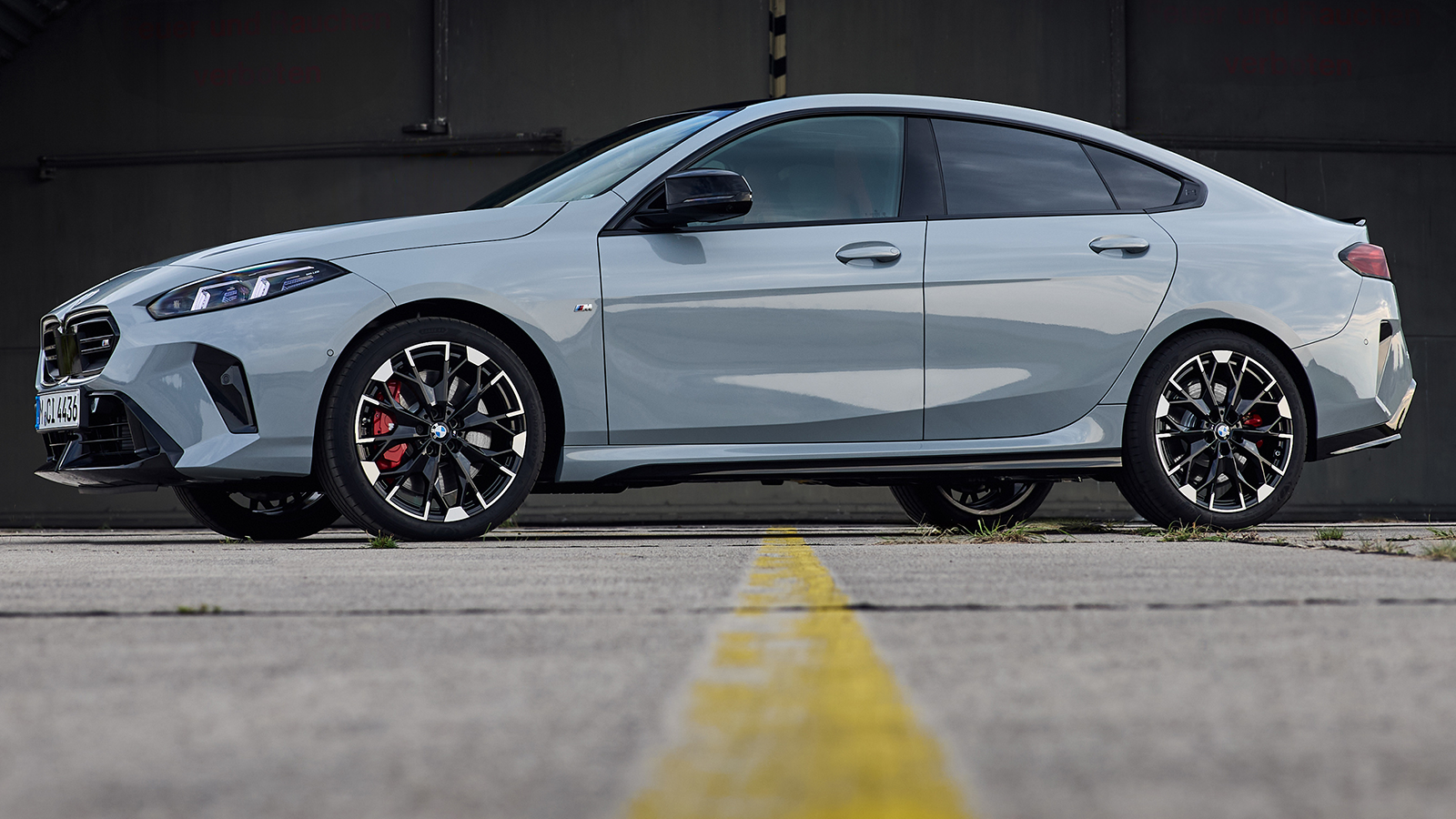
Toyota GR GT: Gazoo Racing’s Hybrid Supercar Arrives With Serious Intent
Introduction / Launch
Seeing the GR GT under show lights, it feels less like a new Toyota and more like the moment Gazoo Racing steps out from the shadows and announces itself as a standalone performance marque. Front‑engine, rear‑drive, and unapologetically two‑seat, this is the first road‑going supercar to wear the GR badge, developed in parallel with the GR GT3 racer and sized to stare down the likes of the Mercedes‑AMG GT and Ferrari 296.
Officially, it is the flagship of a “newly minted” GR brand that will sit alongside Toyota, Lexus, and Century in the corporate constellation. Unofficially, it is Toyota’s way of saying that the LFA was not a one‑off experiment, but the opening chapter in a longer supercar story that now continues with a hybrid twist.
Toyota GR GT Hybrid V8 Supercar (15)
Toyota GR GT Hybrid V8 Supercar (14)
Toyota GR GT Hybrid V8 Supercar (13)
Toyota GR GT Hybrid V8 Supercar (12)
Toyota GR GT Hybrid V8 Supercar (11)
Toyota GR GT Hybrid V8 Supercar (10)
Toyota GR GT Hybrid V8 Supercar (9)
Toyota GR GT Hybrid V8 Supercar (8)
Toyota GR GT Hybrid V8 Supercar (7)
Toyota GR GT Hybrid V8 Supercar (6)
Toyota GR GT Hybrid V8 Supercar (5)
Toyota GR GT Hybrid V8 Supercar (4)
Toyota GR GT Hybrid V8 Supercar (3)
Toyota GR GT Hybrid V8 Supercar (2)
Toyota GR GT Hybrid V8 Supercar (1)
Powertrain / Engine
Lift—or rather, imagine lifting—that impossibly low hood and you find Toyota’s first production twin‑turbo V‑8, a short‑stroke 4.0‑liter unit that lives in a hot‑vee configuration with the turbochargers nestled between the cylinder banks. The engine uses both direct and port fuel injection and a dry‑sump lubrication system, which lets it sit unusually low in the chassis and keeps oil circulating during the kind of long, loaded sweepers this car is clearly built for.
Hybrid assistance comes from an electric motor sandwiched into a rear‑mounted eight‑speed automatic transaxle that swaps the usual torque converter for a wet clutch pack, sharpening response and giving the shift feel a more motorsport‑inspired edge. Toyota is quoting a combined system output of at least 641 horsepower and 627 pound‑feet of torque, all fed to the rear wheels through a mechanical limited‑slip differential, with a claimed top speed north of 199 mph. On paper, that puts the GR GT right in the strike zone of contemporary hybrid and combustion supercars from Europe and the U.S.
Chassis, Suspension, and Aerodynamics
Under the skin, the GR GT does not recycle an existing Toyota platform; it rides on a clean‑sheet all‑aluminum structure joined by four massive megacast nodes at each suspension corner. A carbon‑fiber torque tube connects the front‑mounted V‑8 to the rear transaxle within a carbon structure, while the bodywork mixes aluminum panels with carbon fiber for the hood, roof, rear bulkhead, and inner door skins to keep weight low and stiffness high.
Dimensionally, the car tracks closely with the latest Mercedes‑AMG GT in length and width, but with a roofline that sits roughly six inches lower, at just 47.0 inches—more akin to a mid‑engine Ferrari than a traditional front‑engine GT. The claimed curb weight of 3,858 pounds is competitive for a front‑engine hybrid of this size, especially one carrying significant carbon‑ceramic hardware. Suspension is by control arms up front and a multilink setup at the rear, with Michelin Pilot Sport Cup 2 rubber measuring 265/35R20 at the nose and 325/30R20 out back, wrapped around wheels that frame carbon‑ceramic rotors gripped by six‑piston front calipers and single‑piston sliding calipers at the rear.
Aerodynamically, the silhouette does much of the talking. The hood is long enough to host a game of shuffleboard, yet rises only slightly above the tops of the front tires, a feat enabled by the dry‑sump V‑8 sitting deep in the chassis. There is a black‑painted roof visually lowering the already low profile, crisp creases over wide haunches, and carefully managed airflow around the car rather than oversized appendages; pedestrian‑impact regulations are handled by pyrotechnic hood‑raising hardware, so the nose can stay as dramatic as the designers intended.
Toyota GR GT Hybrid V8 Supercar
Toyota GR GT Hybrid V8 Supercar
Visual Impression
In person, the GR GT has the sort of presence that makes nearby sports cars look suddenly ordinary. The stance is all business—nose down, tail planted, with proportionally huge wheels filling the arches and a cabin that looks almost perched between the axles, emphasizing the long‑hood, front‑mid‑engine layout.
From some angles it hints at classic front‑engine grand tourers; from others it looks more like a road‑legal interpretation of a GT3 car, especially when viewed three‑quarters on, where the low roof and wide track dominate the view. It feels less like Toyota chasing a styling trend and more like GR engraving its own signature in the supercar space, distinct from both Lexus luxury and Toyota mainstream design cues.
Interior / Cockpit
Open the door and the GR GT’s cabin immediately reads as “Lexus‑grade, GR‑tuned.” You drop down into a tight two‑seat cockpit with a low scuttle, a fully digital instrument cluster, and a dashboard that subtly wraps around the driver without feeling claustrophobic. The design language clearly evolves ideas first seen in the LFA—layered surfaces, driver‑centric controls, and a sense that the instrumentation is organized around the driver’s line of sight.
Rear visibility, as you’d expect from the exterior, is not this car’s strong suit, so Toyota has given it a camera‑based rearview mirror to restore situational awareness on the road or track. From the seat, the view forward is dominated by that expansive hood stretching away, which should make every acceleration run feel like you’re launching a long‑nose Le Mans car rather than a traditional road‑going coupe. Materials and fit appear carefully selected to justify a price tag more often associated with Aston Martins and Ferraris than anything wearing a Toyota‑linked badge.
Ferrari 296Toyota GR GT Hybrid V8 Supercar
Performance and Driving Expectations
No one outside Toyota has driven the final production tune yet, but the numbers and hardware paint a clear picture. With more than 641 hp, a rear‑biased weight distribution, Cup 2 tires, and carbon‑ceramic brakes, the GR GT is engineered for repeatable, track‑capable performance rather than a single‑lap headline. The hybrid assist should fill in low‑rpm torque and sharpen throttle response out of slow corners, while the wet‑clutch eight‑speed and mechanical LSD promise predictable, adjustable exits for experienced drivers.
For less experienced owners, the long wheelbase, wide track, and carefully calibrated electronic aids should make the car feel progressive rather than spiky at the limit, especially compared with shorter‑wheelbase mid‑engine rivals. Expect it to trade some ultimate lightness against pure mid‑engine exotics, but claw back ground with high‑speed stability and a more approachable balance, especially in fast, flowing corners where the front‑mid‑engine layout tends to shine.
Development and Philosophy
Toyota hasn’t built anything this radical since the carbon‑fiber Lexus LFA left production more than a decade ago, and the company is very open about the GR GT’s role as a “knowledge bridge” between generations. Engineers reference the Japanese tradition of Shikinen Sengu—periodically tearing down and rebuilding a temple—as a metaphor for using the GR GT program to pass supercar‑building know‑how from the LFA team to a new Gazoo Racing cohort.
The GR GT was developed alongside the GR GT3 race car, sharing architectural principles so that lessons from endurance racing—on cooling, rigidity, serviceability, and tire behavior—flow directly back to the road car. Strategically, it also signals GR’s elevation from a tuning label on cars like the GR Yaris, GR Corolla, GR86, and GR Supra to a distinct brand within Toyota’s broader portfolio. In that sense, the GR GT is not just a product; it’s a moving manifesto for how Toyota sees performance evolving in the hybrid era.
Ferrari 296Toyota GR GT Hybrid V8 Supercar
Pricing, Availability, and Buying Info
Toyota has not published an official MSRP, but company representatives have not pushed back on estimates of 350,000 to 400,000 dollars, and well‑optioned cars may creep toward the half‑million‑dollar mark. That pricing plants the GR GT squarely in the orbit of heavy hitters such as the Aston Martin Vanquish, Ferrari 296, Ford Mustang GTD, McLaren 750S, and hardcore 911 GT3 RS variants.
In the United States, the GR GT will be sold through select Lexus dealers, giving it an appropriately premium retail and service environment. In Japan, Gazoo Racing will operate through a dedicated sales channel, reinforcing the GR brand’s independence, with first U.S. deliveries expected to begin late next year ahead of a full 2027 model‑year rollout. How more accessible GR models eventually fit beneath a halo like this remains to be seen, but as a statement of intent, the GR GT leaves little doubt about where Toyota wants Gazoo Racing to sit in the performance hierarchy.