Lexus Preserves LS Badge with Six-Wheeled Van and SUV “Coupe” Concepts at Tokyo Show
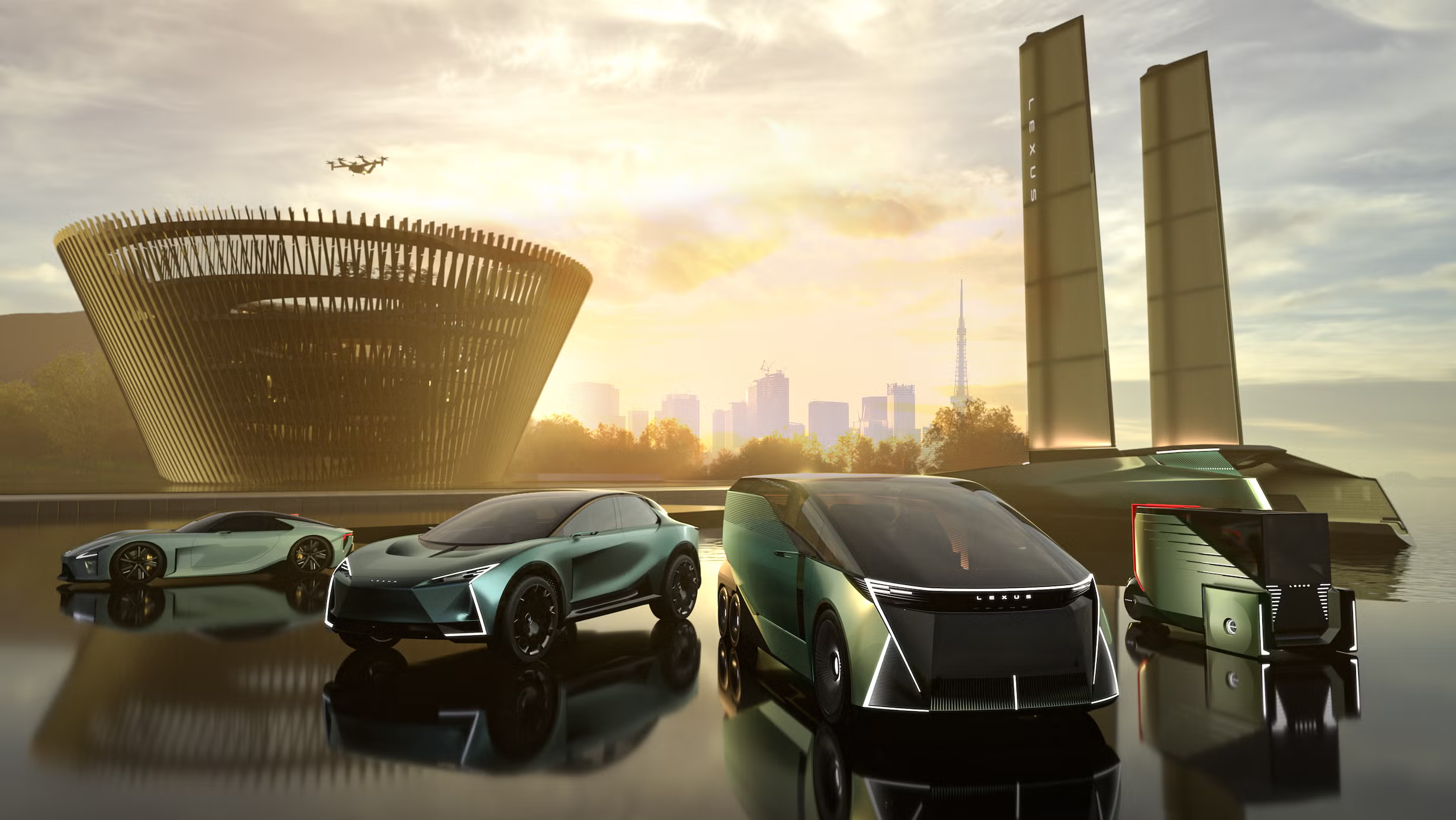
The Lexus LS sedan is ending production after 2026, but the nameplate isn’t disappearing. At the Tokyo auto show, Lexus revealed two wild concepts that reimagine what “LS” could mean beyond traditional flagship sedans: a six-wheeled luxury van and a four-door SUV they’re calling a coupe despite having, well, four doors.
Neither concept is production-bound, but they signal Lexus exploring creative ways to keep the LS designation alive while the actual sedan fades away. It’s brand equity preservation through radical reinterpretation.
Lexus
The Six-Wheeled LS Van: “Luxury Space”
Lexus builds the LM luxury van for Asian and European markets—think Mercedes S-Class comfort with sliding doors. The LS van concept takes that idea and adds a third axle, creating what Lexus calls “Luxury Space” instead of “Luxury Sedan.”
Yes, that’s exactly the wordplay you’d expect. But the six-wheel configuration isn’t purely aesthetic—it enables a longer wheelbase and more interior volume without compromising proportions or maneuverability as severely as stretching a four-wheeled vehicle would.
Inside, Lexus created what they describe as a “rolling oasis.” Two parallel sunroofs run the length of the cabin, flooding the space with natural light. Handmade bamboo blinds cover portions of the windows, providing privacy and Japanese aesthetic touches. Front seats swivel to face rear passengers, converting the van into a mobile lounge.
The driver faces a steeply raked windshield and controls everything through a steering yoke rather than a traditional wheel. Dual stacked displays handle instruments and infotainment. Lexus claims this digital interface is consistent across all their Tokyo concepts, hinting it could influence production vehicles eventually.
The six-wheel layout solves real packaging challenges. Adding length via a third axle distributes weight better than simply stretching between two axles. It also improves ride quality over rough surfaces by spreading load across more contact patches. Whether these benefits justify the engineering complexity and cost for actual production is another question entirely.
The Six-Wheeled LS Van (1)
The Six-Wheeled LS Van
The Six-Wheeled LS Van (20)
The Six-Wheeled LS Van (19)
The Six-Wheeled LS Van (18)
The Six-Wheeled LS Van (17)
The Six-Wheeled LS Van (16)
The Six-Wheeled LS Van (15)
The Six-Wheeled LS Van (14)
The Six-Wheeled LS Van (13)
The Six-Wheeled LS Van (12)
The Six-Wheeled LS Van
The Six-Wheeled LS Van (10)
The Six-Wheeled LS Van (8)
The Six-Wheeled LS Van (9)
The Six-Wheeled LS Van (7)
The Six-Wheeled LS Van (6)
The Six-Wheeled LS Van (5)
The Six-Wheeled LS Van (4)
The Six-Wheeled LS Van (3)
The Six-Wheeled LS Van (2)
The LS Coupe: An SUV That Isn’t Actually a Coupe
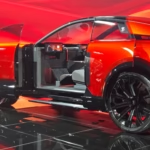
The second concept ditches the extra axle but adds coach doors—rear-hinged doors that create dramatic entry/exit theater when opened. Lexus calls this the LS Coupe despite it having four doors, joining the long tradition of automakers misusing “coupe” to describe anything with a sloping roofline.
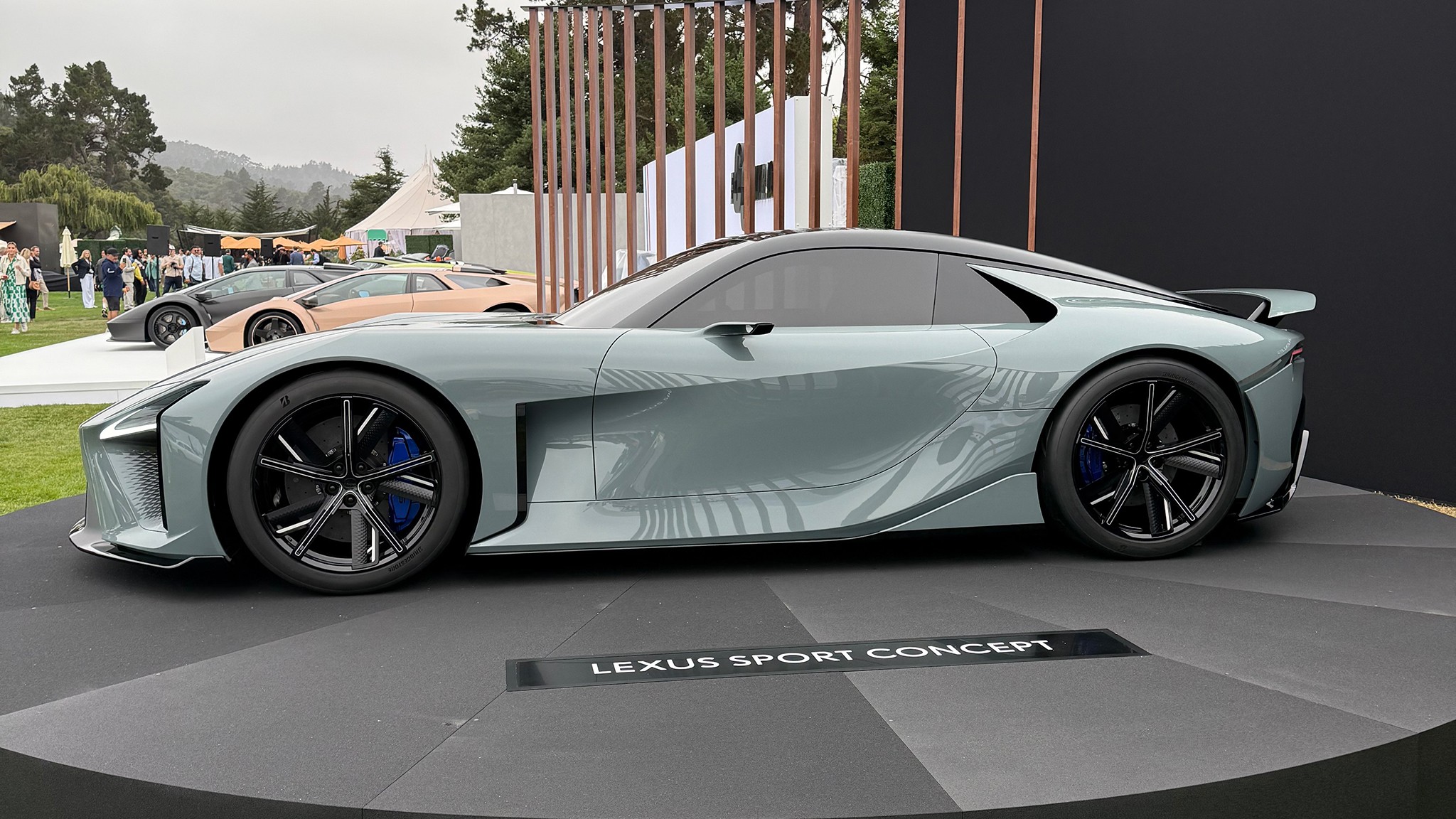
The design clearly draws from SUV proportions with raised ride height and commanding stance. Lexus’s spindle grille returns, outlined by angular LED running lights. The rear shoulder features a design element referencing the Lexus Sport concept, creating visual continuity with other brand exercises.
Inside, asymmetrical seating prioritizes different needs: the driver gets a more supportive, performance-oriented seat while other passengers receive comfort-focused accommodations. An expansive glass roof enhances the airy cabin feeling concepts always promise but production cars rarely deliver fully.
Here’s where things get gimmicky: the LS Coupe concept includes an integrated drone for “documenting driving journeys.” This feels like concept car theater—the kind of feature that looks cool in press materials but would never survive real-world use or regulatory approval.
More practical features include a large fold-out display for the front passenger and screens built into each front seatback for rear passengers. The cargo area uses a sliding rear panel that lowers to extend a platform outward, improving loading accessibility.
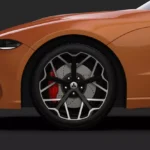
The wheels deserve mention—bronze-lipped with opaque surfaces partially concealing intricate spoke designs. They’re pure concept car excess, likely impossible to clean and probably terrible for brake cooling, but they photograph beautifully.
The LS Coupe
The LS Coupe
The LS Coupe
The LS Coupe
The LS Coupe
The LS Coupe
The LS Coupe
The LS Coupe (5)
The LS Coupe
The LS Coupe
The LS Coupe (2)
The LS Coupe
The LS Coupe
The LS Coupe
The LS Coupe
The LS Coupe
The LS Coupe
The LS Coupe
The LS Coupe
The LS Coupe
The LS Coupe
The LS Coupe
The LS Coupe
The LS Coupe
What This Actually Means
Lexus faces a challenge many luxury brands encounter: what to do with iconic nameplates when the vehicles wearing them become commercially unviable. The LS sedan defined Lexus at launch in 1989, but large luxury sedans are dying as buyers shift to SUVs.
Retiring the LS entirely feels like admitting defeat. But continuing an unsuccessful sedan indefinitely wastes resources. These concepts represent a middle path—keeping the LS badge alive by applying it to different vehicle types that might actually sell.
Whether “LS” can successfully transition from “Luxury Sedan” to “Luxury Space” or whatever these concepts become depends on execution. Badge engineering only works if customers accept the new interpretation. Porsche successfully applied “911” to SUVs (Cayenne chassis development used 911 engineering), but that took careful positioning and genuine performance credentials.
Lexus’s challenge is harder because the LS represented ultimate refinement and sophistication rather than performance. Translating those qualities to vans and SUV-coupes requires maintaining the original spirit while adapting to completely different formats.
The Broader Tokyo Show Context
These LS concepts appeared alongside other Lexus exercises at Tokyo including a single-seat autonomous robotaxi and a catamaran boat. This scattershot approach suggests Lexus is throwing concepts at the wall to see what resonates rather than pursuing a cohesive vision.
That’s fine for auto show theater—concepts exist partially to generate buzz and gauge reaction. But it raises questions about Lexus’s actual product strategy. Are these genuine exploration of future directions, or just creative exercises to fill booth space?
The consistent digital interface across concepts hints at production intent. If Lexus is developing a unified UI/UX system, that investment suggests serious plans to implement it across real vehicles. The specific concepts might be fantasy, but underlying technologies could be legitimate.
Production Reality Check
Neither concept will reach production in these forms. Six-wheeled luxury vans face enormous regulatory, cost, and market challenges. Four-door “coupes” with coach doors, integrated drones, and sliding cargo platforms are pure concept car excess.
But elements could filter down:
The digital interface design language
Interior material approaches (bamboo, asymmetric seating philosophies)
Lighting and display integration techniques
Perhaps even the basic idea of LS-branded luxury vehicles beyond sedans
Lexus needs something to fill the void when the LS sedan ends. An ultra-luxury van or SUV wearing the LS badge isn’t impossible if positioned and priced appropriately. The LM van already exists; making it six-wheeled and calling it LS isn’t that much of a stretch conceptually.