Hybrids used to be the cars you bought with your head, not your heart. That line is blurring fast. For the next couple of model years, electrified badges are turning up on everything from big three-row family buses to nameplate revivals and over-the-top performance toys. Some are here to save fuel, some are here to add shove, and a few are doing both with surprising confidence. What ties them together is simple: carmakers have stopped treating hybrid tech like a separate category and started building the cars people already want—just with smarter drivetrains underneath.
Below is a look at some of the most interesting new and upcoming hybrid and plug‑in hybrid models, and why they’re worth paying attention to even if you’re not the type who stares at EPA charts for fun.
2027 Kia Telluride Hybrid
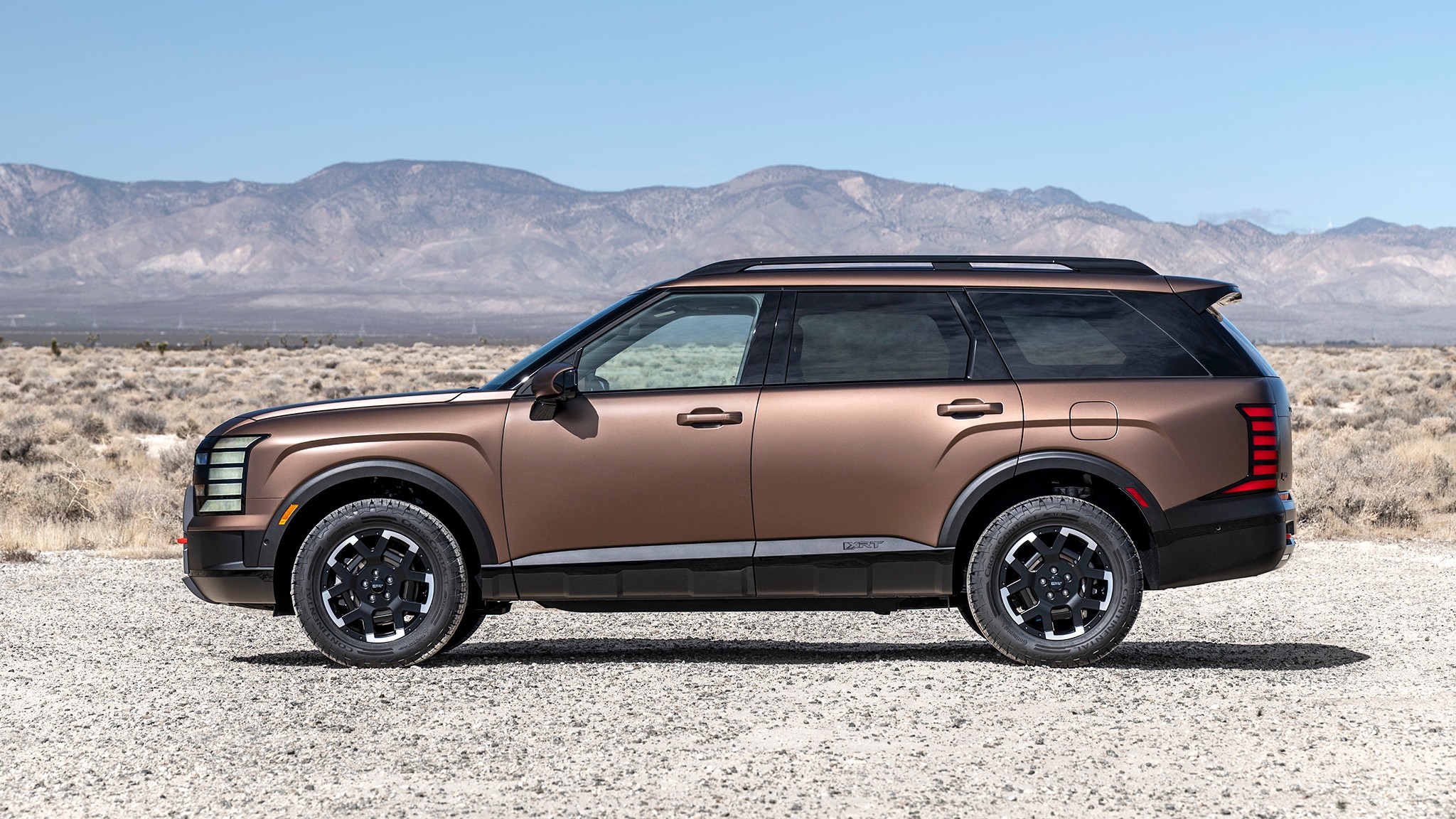
Kia didn’t mess around with the “maybe we’ll dabble in electrification” approach here. The next Telluride lands with a proper turbo‑hybrid setup that makes more power than the outgoing V‑6 and is expected to use dramatically less fuel. Under the reshaped hood is a 2.5‑liter turbocharged four‑cylinder tied to a pair of electric motors, good for a combined 329 horsepower sent through a six‑speed automatic. All‑wheel drive is available, as you’d expect from a family SUV this size.
The headline number is Kia’s own estimate of 35 mpg combined on the hybrid EX front‑drive trim, which is a massive jump from the previous generation’s 20 mpg combined best. Total range of around 600 miles on a tank is being floated, which should appeal to families who’d rather not plan every road trip around fuel stops. Pricing isn’t final at this stage, but expect the hybrid to sit above equivalent gas trims without straying into luxury-brand money. This one matters because it takes a hugely popular three‑row and makes “more power, much better mileage” sound like a normal spec, not a science project.
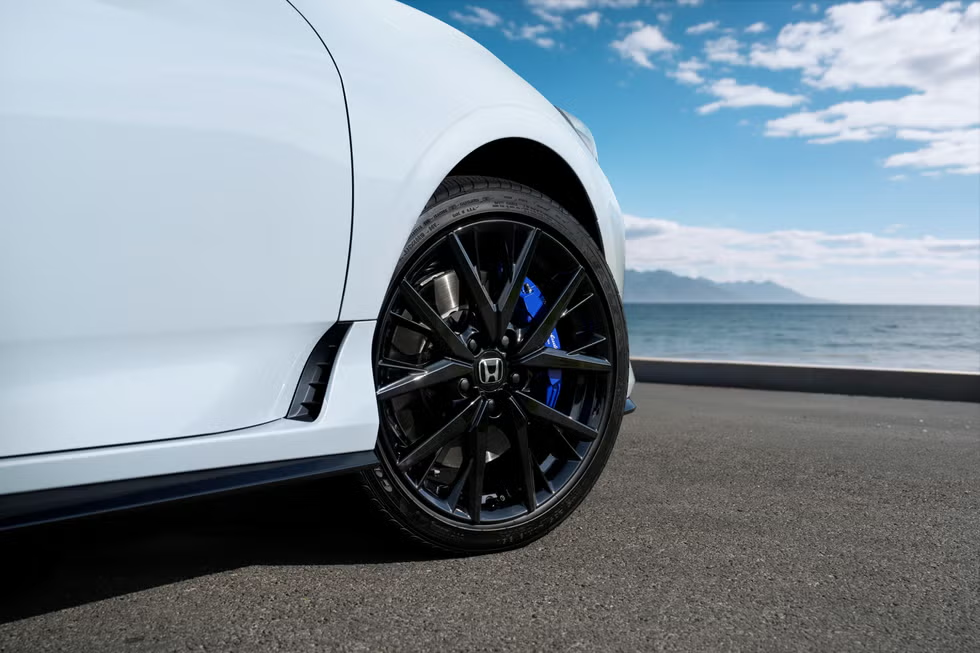
You don’t resurrect the Prelude name by accident. Honda’s new two‑door hybrid hatch wears the coupe silhouette that fans wanted, but under the skin it’s a very 2020s interpretation of a driver’s car. It borrows its hybrid layout from the Civic, pairing a 2.0‑liter Atkinson‑cycle four‑cylinder with a two‑motor system for a combined 200 horsepower and 232 pound‑feet, all going to the front wheels.
On paper that figure doesn’t scream “hero,” but Honda’s hybrid system is tuned for instant low‑rpm response, and the company knows a thing or two about chassis tuning. Combined fuel economy in the mid‑40s mpg range is the reward for not chasing big power. There’s a single well‑equipped trim, starting at $43,195 including destination, which tells you Honda sees this as a niche but serious halo for its hybrid tech. The interesting question is how many old‑school Prelude fans will accept electric assistance in place of a screaming naturally aspirated engine; the upside is that the new car should be a far better daily companion than its ancestors ever were.
When Jeep says its first hybrid Cherokee has no plug, it’s making a point: this is meant to be a normal SUV that just happens to use less fuel. The 2026 Cherokee is built on Stellantis’s STLA Large platform and uses a 1.6‑liter turbo four combined with two electric motors and a 400‑volt battery for a peak output of 210 horsepower and 230 pound‑feet. Power goes through a conventional transmission, and all‑wheel drive is available to keep the badge honest in bad weather.
Jeep is quoting 37 mpg combined and more than 500 miles of total range from a full tank. Those are big gains over the old Cherokee’s numbers and put this new one right in the hunt with other efficient compact crossovers. It doesn’t try to be a plug‑in trail monster; instead it’s the kind of hybrid that will spend most of its life in suburbs and on highways, just burning a lot less fuel than you’d expect from the name. If Jeep can keep pricing in the mid‑$30K range for volume trims, this could quietly become its default family model for buyers who don’t need a Wrangler.
Subaru’s approach is very on‑brand: keep the recipe, clean up the consumption. The 2026 Crosstrek Hybrid still looks like a hatchback that’s been told it might have to ford a stream later—black cladding, roof rails, and 8.7 inches of ground clearance all survive. Underneath, a 2.5‑liter flat‑four is paired with two electric motors for a combined 194 horsepower, with Subaru’s familiar all‑wheel drive doing the traction work.
The EPA rates it at 36 mpg city, highway, and combined, which is not class‑leading but comfortably ahead of the 27–29 mpg figures quoted for nonhybrid Crosstreks. Real‑world testing has seen around 35 mpg at 75 mph, which is decent for something this boxy. It’s still not quick—the extra weight largely cancels out the extra power—but around town the electric torque makes it feel more responsive than the numbers suggest. Pricing in the mid‑$30Ks makes it a logical step up for existing Subaru owners who want to keep going to the mountains and spend less time at the pump.
Hyundai’s second‑gen Palisade is the sort of SUV that can replace both a minivan and a sedan in a household, and the new hybrid option makes that pitch even stronger. The hybrid powertrain pairs a turbocharged 2.5‑liter inline‑four with two electric motors integrated into a six‑speed automatic, for a total of 329 horsepower and 339 pound‑feet. That’s a healthy jump over the standard V‑6 and enough to move the big three‑row with real authority.
Officially, Hyundai is talking about more than 30 mpg on the highway and an almost 620‑mile range on a full tank, which puts it in rare company for a large, non‑luxury SUV. Front‑ and all‑wheel drive are both offered, and the hybrid arrives in fall 2025 as a 2026 model. If the pricing follows typical Hyundai logic—charging a sensible premium but keeping the value story intact—the Palisade Hybrid is going to be the default choice for a lot of families who’ve been hesitating between a big SUV and something more efficient.
2026 Hyundai Palisade Hybrid
2026 Chevrolet Corvette ZR1X
This is the part of the list that will annoy anyone who still thinks “hybrid” is just another word for “slow.” The 2026 Corvette ZR1X is a 1,250‑horsepower gas‑electric hypercar, not a commuter pod. A twin‑turbo 5.5‑liter V‑8 sits behind the driver, working with a powerful front electric motor to send power to all four wheels. Chevy quotes a sub‑2.0‑second launch to 60 mph and a top speed well north of 200 mph, with the Quail Silver Limited Edition pushing the price into the mid‑$200K range.
You’re not buying this for fuel economy; you’re buying it because it undercuts European exotics with similar performance by eye‑watering amounts. The battery and motor also tame some of the low‑speed jerkiness that used to be part of the supercar deal, so it should be tolerable in traffic as well. In a piece about hybrids, the ZR1X is the car that proves the tech has fully migrated from the “eco” side of the showroom to the “poster on a teenager’s wall” side.
2026 Chevrolet Corvette ZR1X
2027 Mercedes‑Benz CLA 220 Hybrid
The next CLA is a good example of how many brands are playing the middle ground. The CLA 220 Hybrid keeps the slinky four‑door‑coupe shape but uses a new 1.5‑liter turbocharged four‑cylinder combined with a 48‑volt mild‑hybrid system. The integrated motor doesn’t turn the car into an EV, but it does add a useful shove off the line, smooth out start‑stop transitions, and allow short bursts of electric gliding in city traffic.
Output in the low‑200‑hp range and a claimed 0–60 mph time of around 7 seconds put it right in line with other compact premium sedans, and the mild‑hybrid system is mainly there to quietly nudge consumption and CO₂ down. If you’re looking for an engineering showcase, this isn’t it; if you’re looking for something stylish that just uses less fuel than the last one without asking you to plug in, it hits the brief.
2027 Mercedes‑Benz CLA 220 Hybrid
2026 Mercedes‑AMG E53 Hybrid Wagon
On the other end of the Mercedes spectrum, the E53 Hybrid Wagon is the car you buy if you want everything at once. It combines a turbocharged 3.0‑liter inline‑six with a strong rear‑mounted electric motor and a large battery, for a total of 577 horsepower in normal driving or 604 horsepower when Race Start is engaged. AMG Performance 4Matic+ all‑wheel drive and active rear‑axle steering help shuffle all that power to the ground.
Electric‑only range is expected to land around 40 miles based on the sedan’s 42‑mile figure and the wagon’s extra weight. That’s enough to cover a lot of commuting without waking the engine. When you do let the whole system loose, 0–60 mph in roughly 3.8–4.0 seconds is the target, which is absurd for something that can also swallow bikes and dogs. U.S. pricing hasn’t been finalized, but the sedan starts around $89,000; the wagon should sneak in under six figures. This car matters because it gives enthusiasts an excuse to keep a fast, thirsty wagon in the driveway while still ticking the plug‑in box.
2026 Mercedes‑AMG E53 Hybrid Wagon
Ram 1500 REV Range‑Extended Plug‑in
Pickup buyers tend to be a cautious bunch when it comes to new tech, and Ram seems to understand that. The 1500 REV (the plug‑in, not the shelved full EV) uses a range‑extended setup: the wheels are driven by electric motors, and a gasoline V‑6 works purely as a generator when you exhaust the battery’s roughly 145‑mile electric range.
In day‑to‑day use, it behaves like an electric truck—quiet, instant torque, no shifts—until you go beyond its comfort zone, tow something big, or head far from chargers. Then the V‑6 hums away to keep things moving. That layout means you get most of the benefits of an EV without the usual “what if the charger is broken?” anxiety. Official power figures and final pricing are still a bit hazy, but the expectation is an entry price near $60,000, with loaded trims brushing six figures. It’s a pragmatic bridge for people who want to test the waters without jumping in.
Ram 1500 REV Range‑Extended Plug‑in
2027 Jeep Grand Wagoneer Plug‑in Hybrid
If the Cherokee is Jeep’s mainstream hybrid move, the Grand Wagoneer plug‑in is the statement piece. It shares its basic powertrain concept with the Ram 1500 REV: a V‑6 engine working in generator mode with a robust battery and electric drive system. Total output of 647 horsepower is the quoted figure, which is borderline absurd for a three‑row SUV that can tow and haul the family at the same time.
Jeep is talking about roughly 150 miles of electric‑only range before the engine needs to wake up, which would make school runs and in‑town errands almost entirely gasoline‑free if owners take advantage of home charging. Starting prices around $80,000 put it in line with other full‑size luxury SUVs, and high‑spec versions will easily creep toward six figures. The plug‑in Grand Wagoneer’s job is to show that going greener doesn’t have to mean downsizing or stepping away from big, plush rigs.
2027 Jeep Grand Wagoneer Plug‑in Hybrid
2026 Nissan Rogue Plug‑in Hybrid
At the practical end of the market, the upcoming Rogue PHEV is the kind of crossover that quietly shifts a brand’s sales mix. The current Rogue is already one of Nissan’s volume leaders; giving it a plug and a usable electric range should broaden its appeal without scaring off traditional buyers. Official details are still thin—Nissan has confirmed the model is coming, but hasn’t nailed down numbers yet.
Expect a familiar compact‑SUV package with a gasoline engine, a dedicated electric motor, and a battery sized for a few dozen miles of EV running. In practice, that means a lot of owners will do their weekly commuting almost entirely on electricity and then lean on the gas engine for road trips. If Nissan prices it sensibly above the regular Rogue, this could become the default choice for buyers who want to “go electric” without committing to public charging infrastructure.
2026 Nissan Rogue Plug‑in Hybrid
Where Hybrids Go from Here
Look across this group and a pattern emerges: hybrids and plug‑ins aren’t being treated as side projects anymore. They’re the default next step for nameplates that matter—Telluride, Rogue, Cherokee, Prelude—while also powering one‑off toys like the ZR1X and serious hardware like the E53 Wagon. Some chase triple‑digit electric range, others quietly add 10–15 mpg to familiar shapes, and a few use batteries as a way to put four‑figure power outputs on the road.
Fully electric cars will keep grabbing headlines, and they should. But for a lot of buyers over the next five to ten years, these hybrids and plug‑ins are going to be the real-world answer: less fuel burned, more performance where it counts, and far fewer compromises than the first wave of “green” cars ever offered. If anything, the interesting question isn’t whether hybrids are sticking around—they clearly are—but how quickly they become the default choice when you tick the options box on your next new car.